Ahvaz
About City
introduction to the Ahvaz city
Ahvaz city , located in the southwest of Iran, is a vibrant and historical city rich in culture and tradition. With a population of over one million residents, it is the capital of the Khuzestan Province and is considered one of the oldest cities in Iran. Ahvaz has a long and storied history that dates back thousands of years, with archaeological evidence suggesting that it has been inhabited since at least the 5th millennium BCE.
Ahvaz has witnessed numerous empires and civilizations come and go, including the Elamites, Persians, and Arabs. It played a significant role in the development of the Persian Gulf region and served as a major trading hub due to its strategic location on the banks of the Karun River. Over the centuries, Ahvaz has been a melting pot of different cultures, religions, and ethnicities, contributing to its diverse and cosmopolitan atmosphere.
Today Ahvaz city is a major industrial and commercial hub that contributes significantly to the overall economy of Iran. The city is located near several oil and gas fields, making it a prime location for oil refineries and petrochemical plants.
Ahvaz is home to several large industries, including petrochemicals, oil refineries, and steel production. These industries not only create jobs for the local population but also generate revenue for the country through exports.
Getting to know Ahvaz city
Ahvaz city is known for its hot and dry climate, with temperatures often exceeding 40 degrees Celsius during summer months. The scorching heat is often accompanied by dust storms, reducing visibility and creating hazardous conditions for residents.
This is why the best time to travel to Ahvaz is during the winter months of November to February when the weather is relatively mild compared to other parts of Iran and it is more comfortable to explore the city and its surrounding attractions. The winter months also coincide with the city's rainy season, even though the city does experience occasional foggy days and chilly nights during the winter months, the temperature rarely drops below freezing.
The city is known for its palm groves, citrus orchards, and fertile agricultural land, which make it an important agricultural center in Iran. Additionally, Ahvaz is home to several historical and cultural landmarks, such as the ancient ruins of Hormoz Ardeshir.
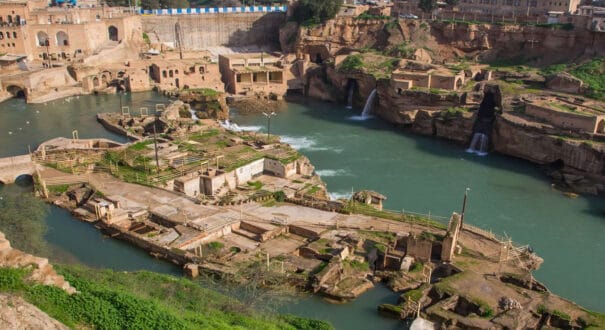
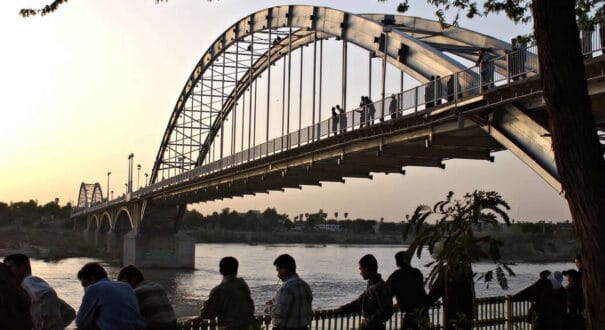
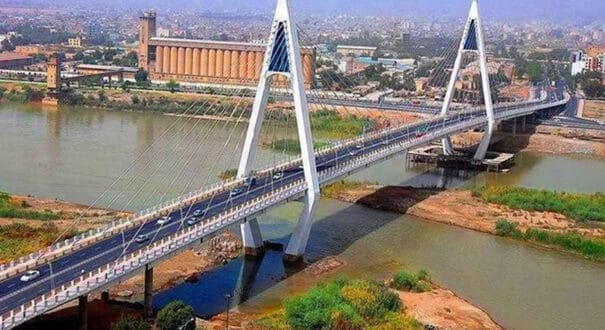
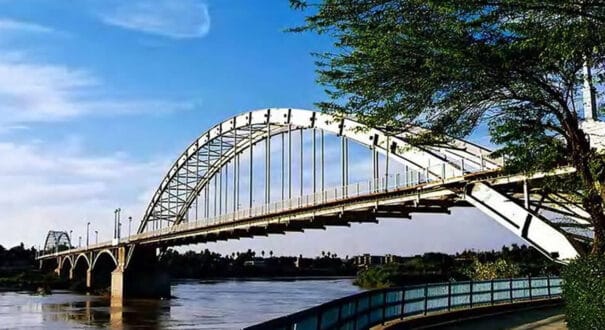
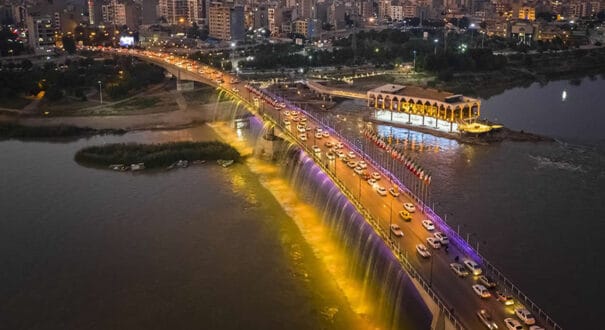
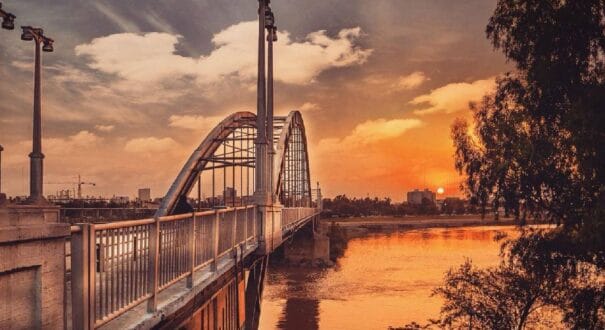
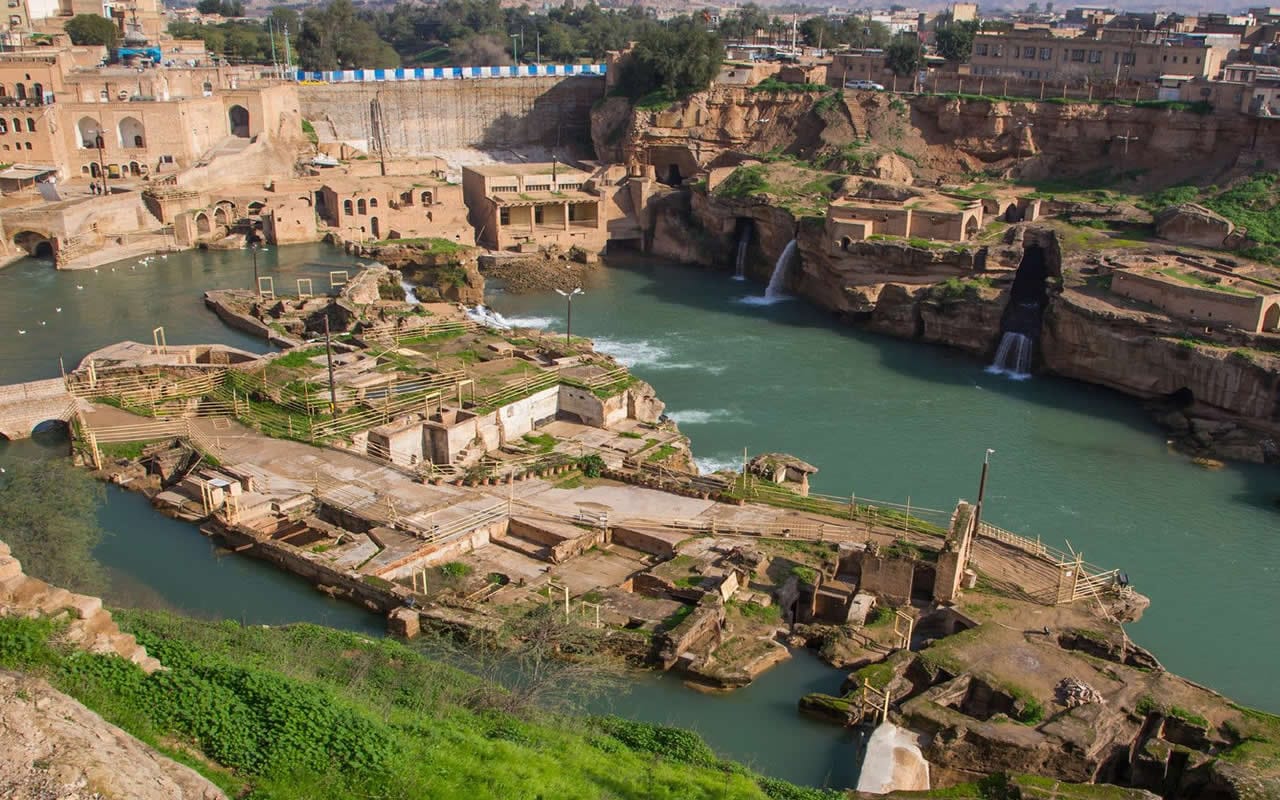
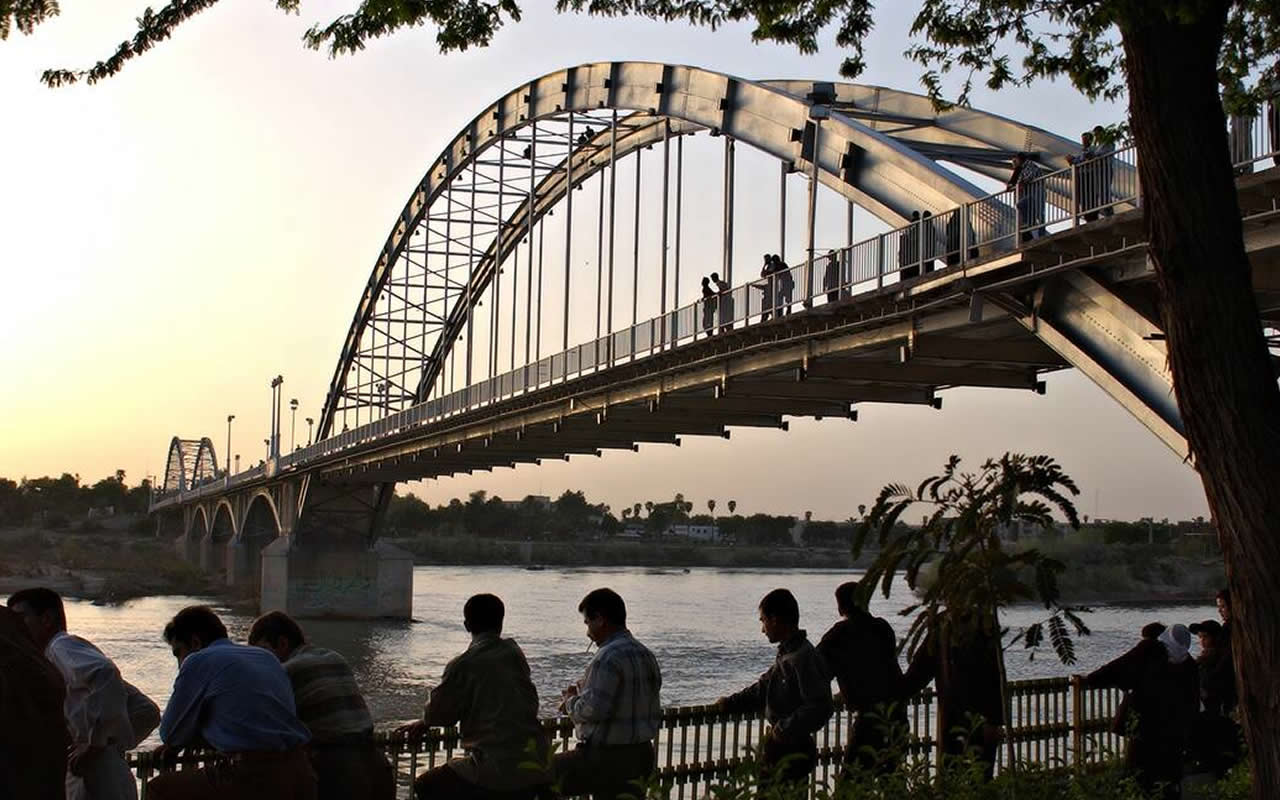
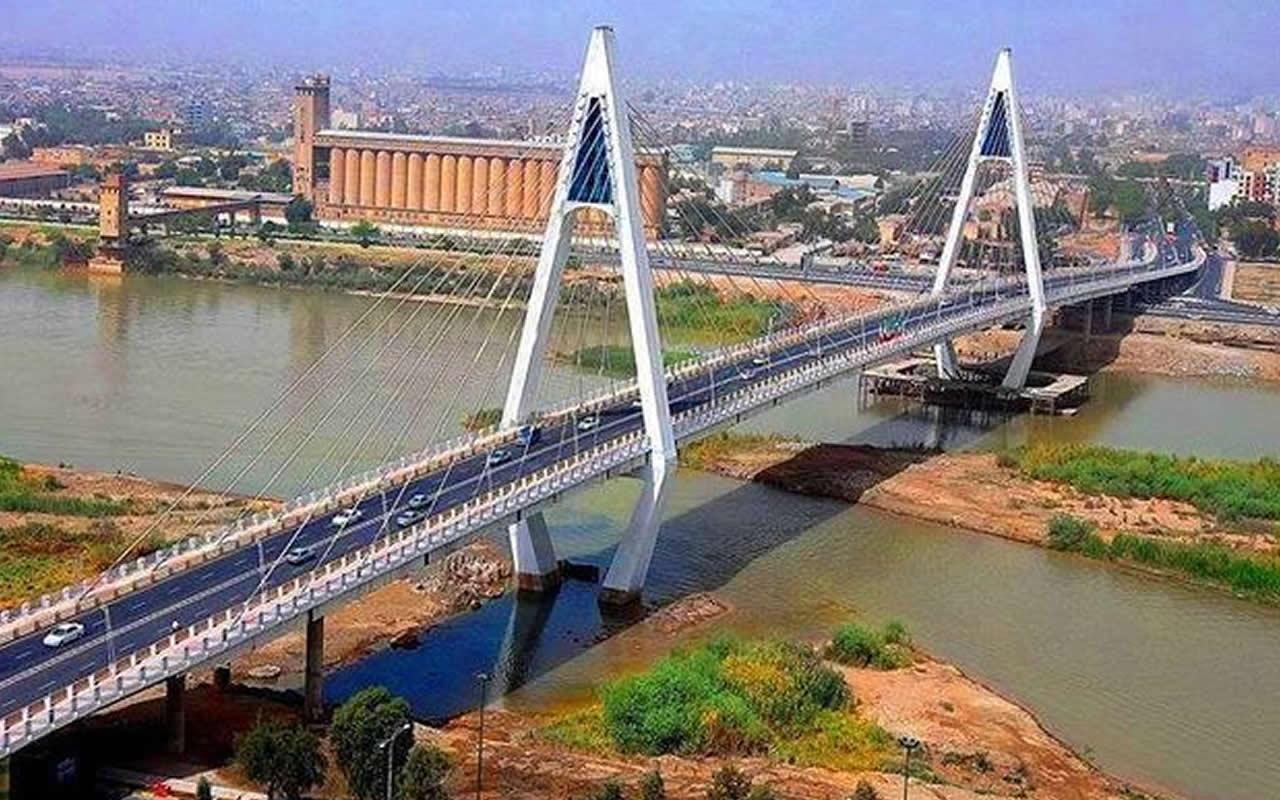
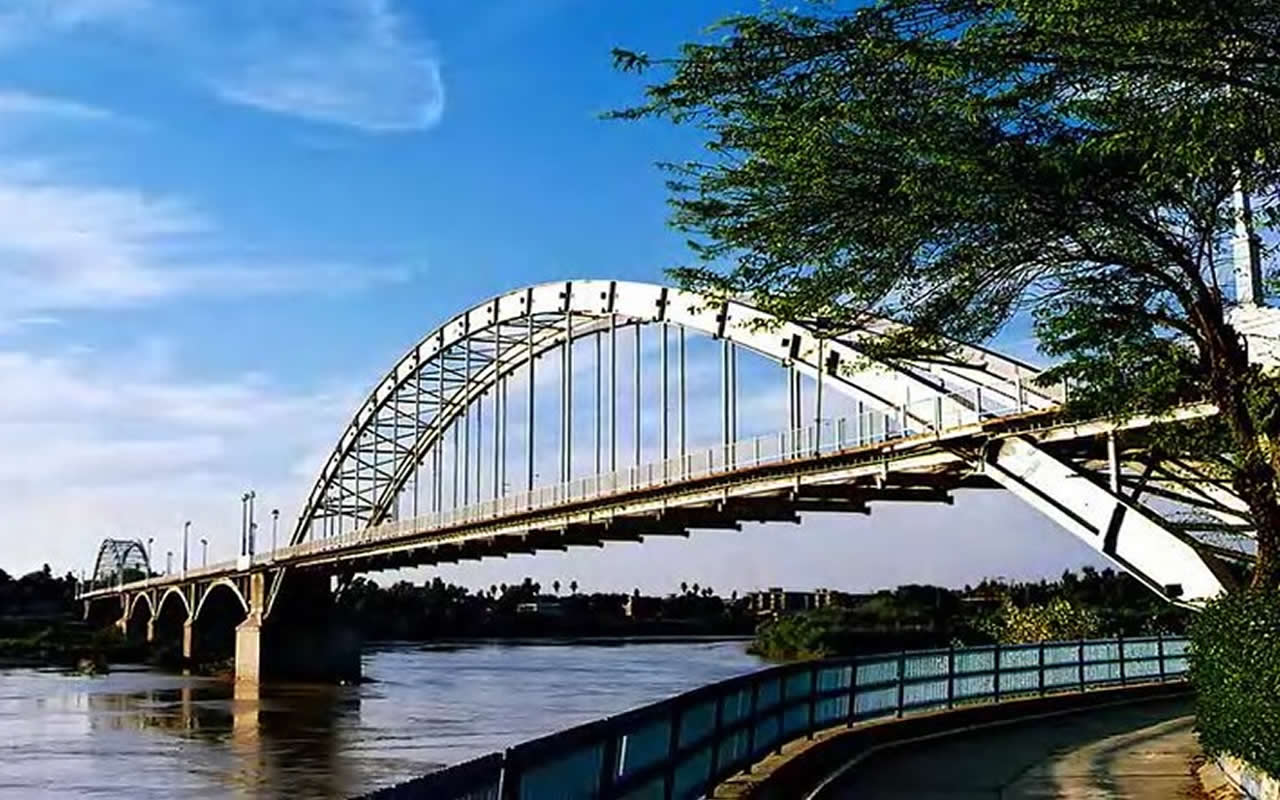
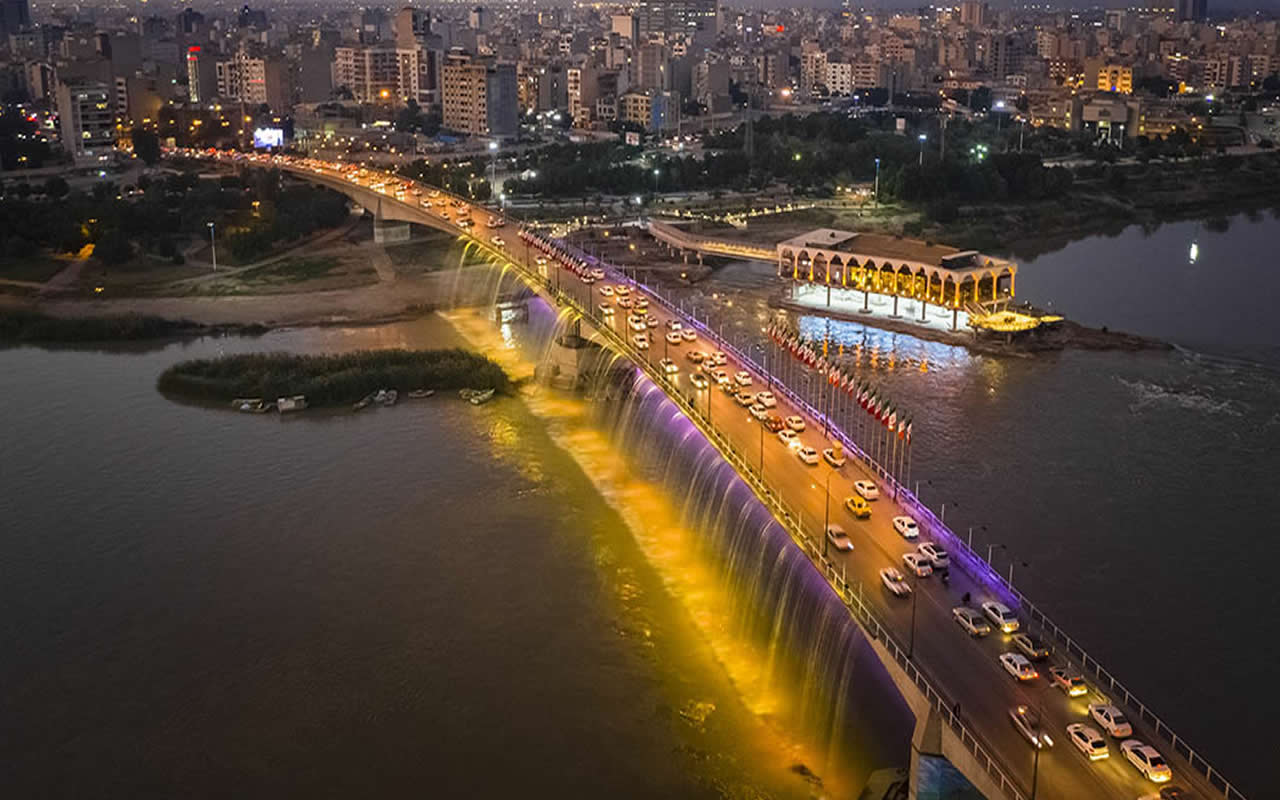
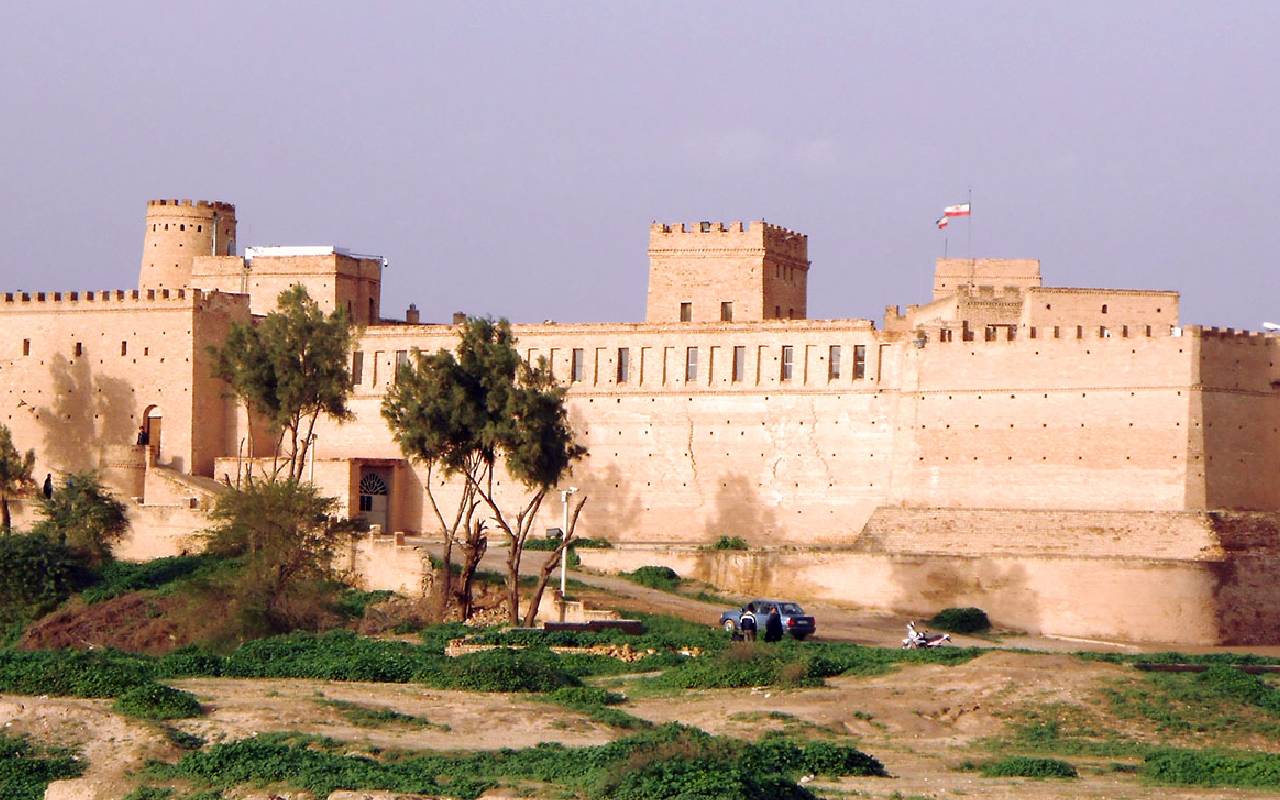
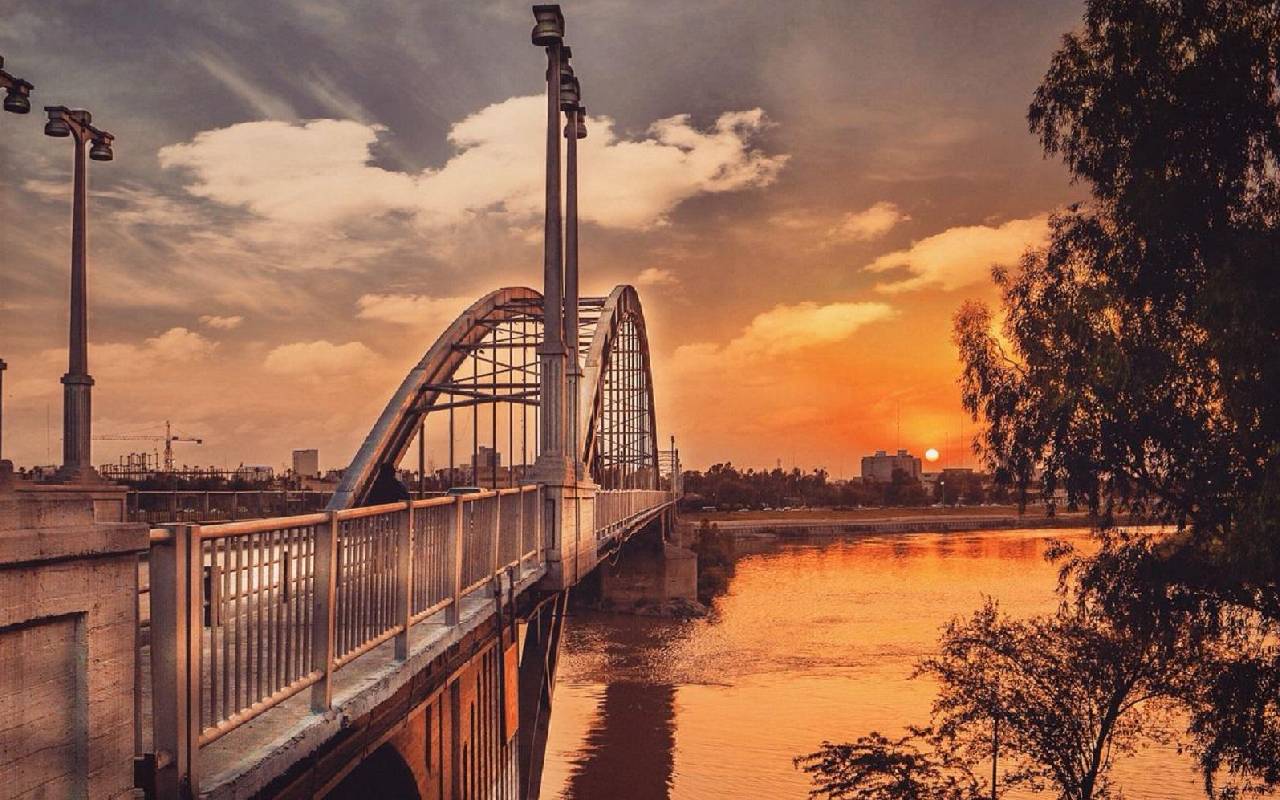
In the case of planning a one-day itinerary in Ahvaz, several must-see attractions can not be missed. One could start the day by visiting the historic Shushtar Historical Hydraulic System, a UNESCO World Heritage site that showcases ancient water management techniques. Next, visiting the beautiful Pol-e Siah, or Black Bridge, offers a glimpse into the city's contemporary architectural history. To round out the day, a visit to the Karun River provides a peaceful setting to relax and take in the city's natural beauty.
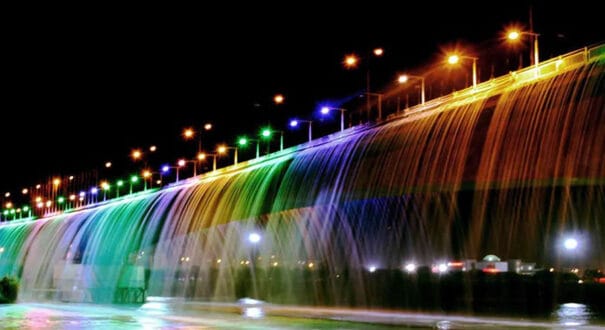
As the sun sets in Ahvaz, the city comes alive with vibrant nightlife. For those interested in experiencing a taste of local culture, a visit to one of Ahvaz's traditional teahouses is a must, where one can enjoy a warm cup of chai of traditional Arabic coffee and mingle with locals.
Natural and historical sites
Ahvaz city is rich in history and culture with numerous attractions waiting to be explored, such as historical sites, natural attractions, and cultural scenes, with art galleries, museums, and theaters showcasing the talent and creativity of local artists.
Natural attractions
Ahvaz palm groves are a stunning natural wonder that has captivated visitors for centuries. Spanning over 12,000 hectares, these lush groves are home to more than 150,000 date palm trees, making it one of the largest palm plantations in the world.
The history of Ahvaz city palm groves dates back to ancient times when the area was used for cultivating dates and other fruits by local farmers. Today the location is a popular tourist destination for those looking to experience the traditional way of life in rural Iran, sampling freshly picked dates, and learn about the centuries-old techniques used to harvest and process the fruit.
One of the most prominent natural landmarks in the region is the Karun River, the longest and most navigable river in Iran. Spanning over 450 miles in length, the Karun River is a vital waterway that has played a crucial role in the economic development of the surrounding areas.
Visitors can take boat tours along the river, enjoying the peaceful atmosphere. The river also provides opportunities for water sports such as kayaking and fishing, making it a popular destination for outdoor enthusiasts.
In addition to its natural beauty, the Karun River is of great importance to the local communities, providing water for irrigation and sustenance for the agriculture industry. The river has always been central to the history and culture of the region, with many historical sites and monuments located along its banks.
Another popular natural attraction in Ahvaz city is the Shadegan Wetland, a vast marshland located an hour outside the city. The wetland is home to a diverse range of flora and fauna, making it a paradise for nature enthusiasts and birdwatchers. Visitors can explore the wetland on foot or by boat and may be lucky enough to spot some of the rare species that inhabit the area.
Known for its unique combination of salt and freshwater marshes, the Bamdej wetland is another must-visit destination that is home to a diverse ecosystem of plants and animals. Visitors can explore the wetland by boat or on foot, observing the various species of migratory birds, fish, and reptiles residing in this rich habitat.
In addition to its natural beauty, Bamdej Wetland also plays a vital role in biodiversity conservation and environmental preservation. The wetland serves as a crucial habitat for many endangered and threatened species.
Archeological sites of Ahvaz city
The city is home to several ancient ruins, temples, and monuments that offer a glimpse into its past. The city has a long and storied history, with archaeological evidence suggesting that it was inhabited as far back as the 5th millennium BC.
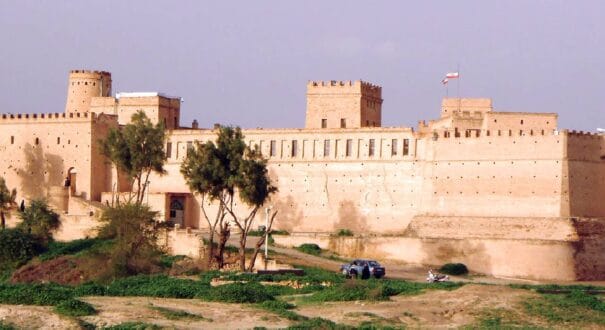
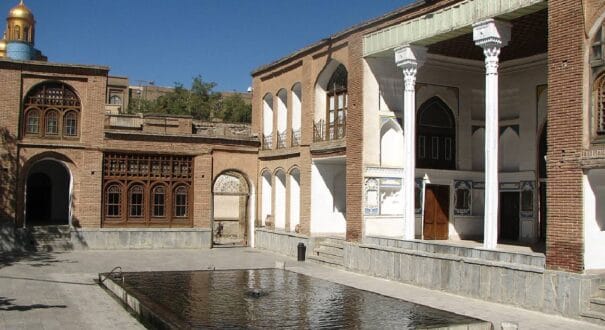
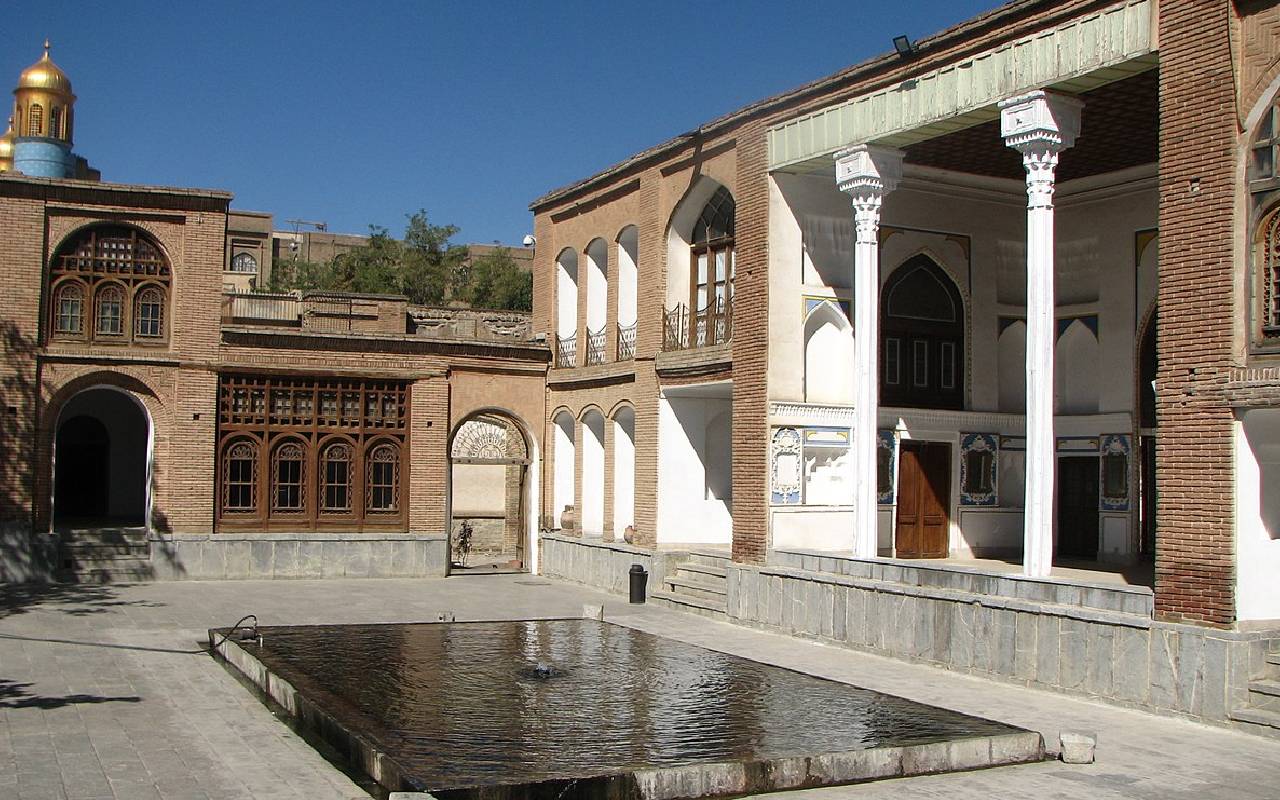
Located in the heart of Ahvaz, the Moin al-Tojar caravanserai is a historic monument that holds great significance in the region. This caravanserai, which dates back to the Safavid era, served as a resting place for merchants and travelers along the ancient trade routes that passed through the city. The architecture of the caravanserai is a beautiful blend of Persian and Islamic styles, with intricate tilework and arched passageways.
The Moin al-Tojar caravanserai played a crucial role in facilitating trade and commerce in Ahvaz and beyond. Merchants and traders would stop at the caravanserai to rest, refresh, and conduct business transactions before continuing their journey. The caravanserai also served as a cultural hub, with poets, scholars, and artists gathering to exchange ideas.
One of the most well-known sites in Ahvaz city is the Apadana Palace, which dates back to the Achaemenid Empire. This majestic palace serves as a reminder of the ancient Persian civilization and features intricate carvings and stone reliefs that depict scenes from the royal court. It is approximately 1 hour outside the city.
Another prominent archaeological site in Ahvaz is the ancient city of Susa, which was once a major center of the Elamite, Persian, and Parthian civilizations. The city is home to the iconic Choqa Zanbil ziggurat, a UNESCO World Heritage Site, which stands as a testament to the architectural skills of the Elamite people. Additionally, the remains of the ancient city speak to the strategic importance of Susa as a key trade and political hub in the region.
Modern must-visits
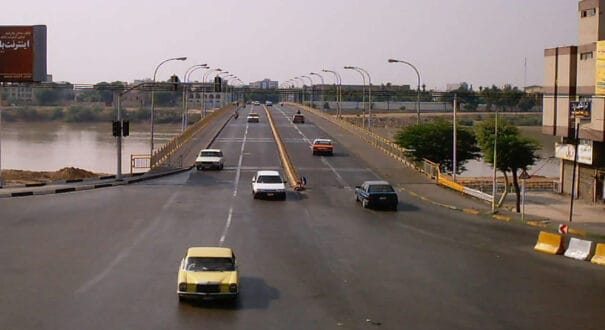
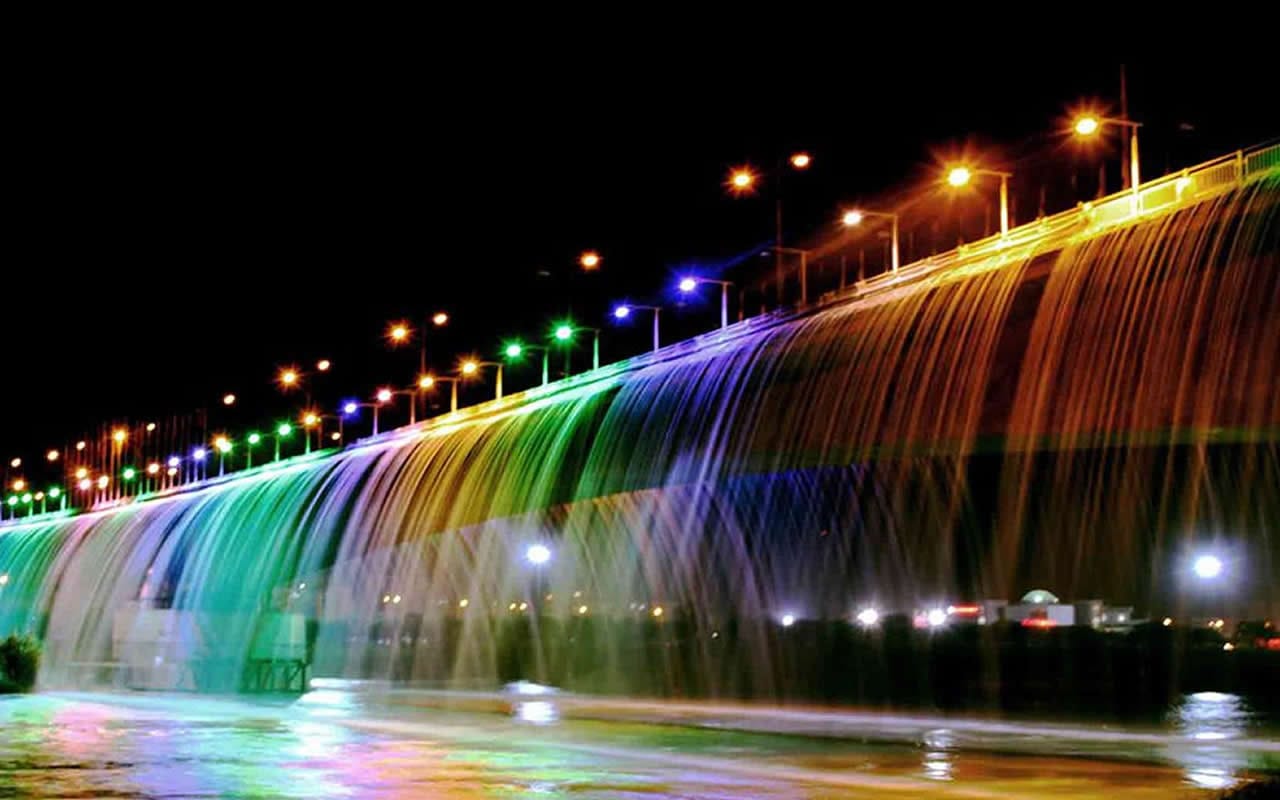
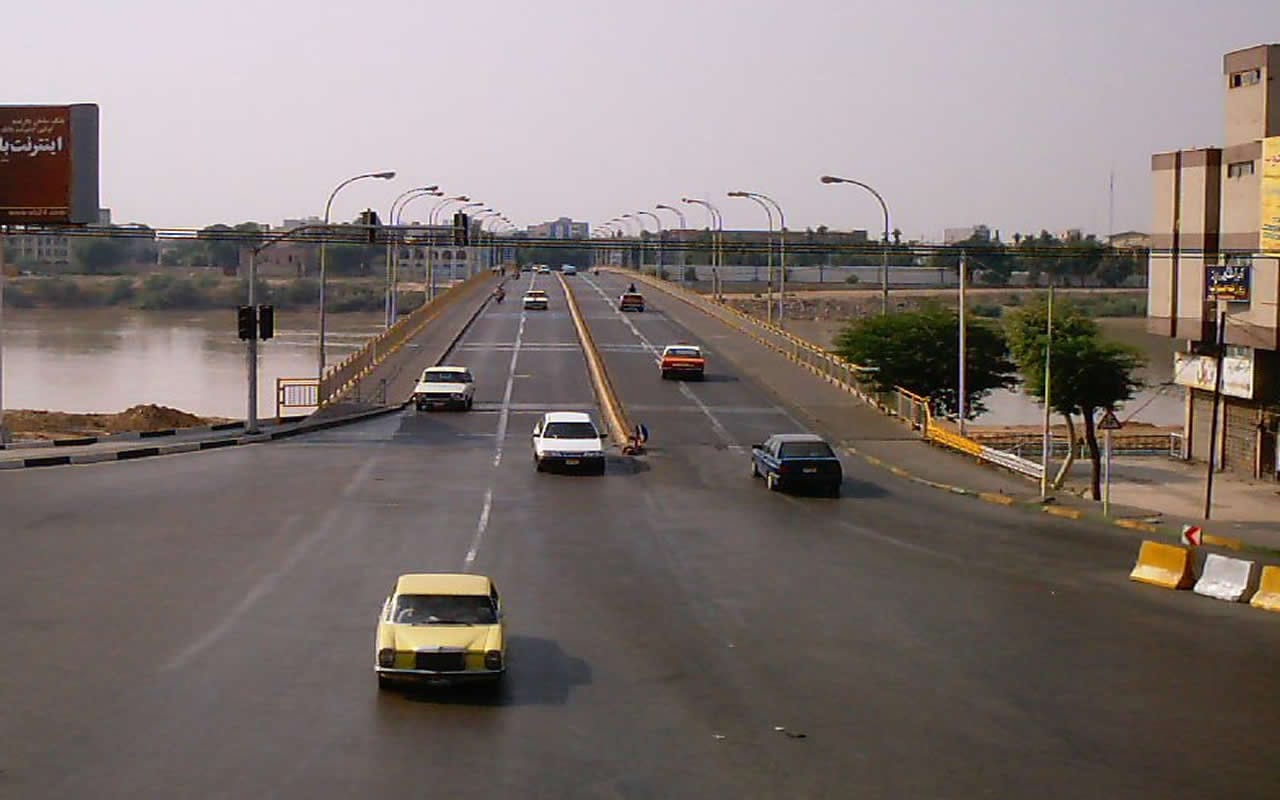
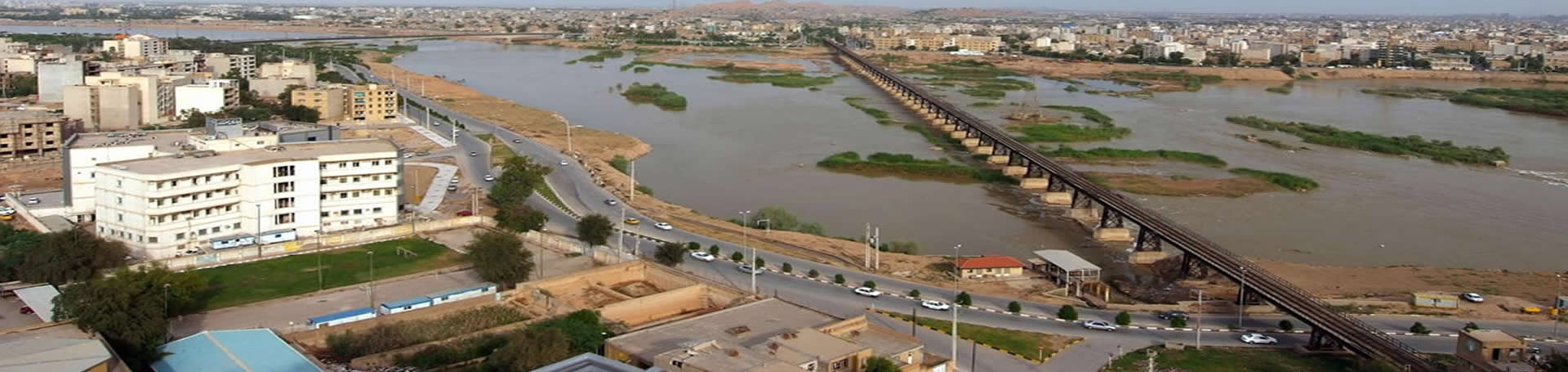
The Ahvaz city black bridge was built during the Qajar dynasty (1785-1925), simultaneously with the construction of the Iranian National Railway, and was built almost exactly on the site of the historical Ahvaz bridge which dates back to the Sassanid period and was known as the Shadovan Bridge. The bridge which is 1,050 meters long and 6 meters wide and spans the Karun River, has served as a vital crossing point for travelers and merchants and has become an iconic symbol of the city and an important part of its cultural heritage.
Zoroastrianism is one of the oldest religions in the world, dating back over 3,000 years. The Zoroastrian temple in Ahvaz city serves as a place of worship and pilgrimage for followers of this ancient religion, as well as a site of interest for tourists and scholars interested in the history and beliefs of Zoroastrianism. The Zoroastrian temple in Ahvaz is a beautiful and ornate structure, designed in the traditional style of Zoroastrian architecture. Inside, visitors can observe rituals and ceremonies performed by priests and devotees, gaining insight into the practices and beliefs of Zoroastrianism.
Culture and people
Ahvaz is home to a diverse population with different cultural characteristics. The people of Ahvaz city are known for their warm hospitality and strong sense of community. They take great pride in their cultural heritage, which is reflected in their traditional music, dance, and cuisine. The people of Ahvaz are also known for their strong family values and close-knit relationships, which play a central role in their social interactions and daily life.
One of the most prominent cultural characteristics of the people of Ahvaz city is their love for music and dance. Traditional music and dance are important parts of Ahvazi culture, with performances often featuring traditional instruments such as the Oud and daf. The people of Ahvaz also take great pride in their cuisine, which is characterized by a rich blend of flavors and spices.
Ethnic and religious diversity
Ahvaz is known for its rich ethnic and religious diversity. The city is home to a mix of Arabs, Persians, Lurs, Kurds, and other ethnic groups, each with their own unique cultural traditions and customs.
One of the most prominent ethnic groups in Ahvaz city is the Arab population, who have a strong presence in the city. Arabs in Ahvaz have their own distinct culture, language, and traditions, which are reflected in the city's architecture, cuisine, and music. The Arab community in Ahvaz plays a significant role in the city's cultural landscape, contributing to its diversity
The religious diversity in Ahvaz city is also a key aspect of the city's cultural variety. The city is home to a mix of Sunni and Shia Muslims, as well as small Christian, Jewish, and Zoroastrian communities. This religious diversity has fostered a spirit of mutual respect and understanding among residents, with people from different faiths coming together to celebrate religious holidays and festivals.
Local festivals and celebrations
One aspect of Ahvaz city culture that is particularly unique and important is the local ceremonies and rituals that take place in the city. In addition to the national celebrations, the people of Ahvaz city have local ethnic and religious ceremonies with unique rituals.
The Gurgiyan is an ancient custom among Arabs performed annually in the middle of Ramadan in Ahvaz. On this night, Arab children come to the streets dressed in Arabic traditional clothes, wear small bags that they have made in advance around their necks, and sing special folk songs for this night. They go door to door in the neighborhood' and ask for sweets.
The Mandaeans are baptized every Sunday by the Karun River. Baptism is the most important Mandaean ritual, called "Maswaya" in the Mandaean language. Baptism must only be performed by a Mandaean priest. The Mandaean priest enters the water and the person being baptized sits in the water. Water is poured over the person's head while reciting "Bothah." The person then comes out of the water, sits on a chair, stool, or board, and the priest recites from "Rabba Ginza". The person then recites a prayer of repentance or protection and eats holy bread and water.
Every year on the tenth day of Bahman, the Zoroastrians of Ahvaz city come together, they light a fire, sing hymns, and perform the ritual prayer of the Centennial Celebration.
Zoroastrians also celebrate The Farvardingan Festival which is held on the nineteenth day of Farvardin in memory of the deceased, and they entertain the guests by cooking food and baking bread.
Local languages and dialects
The most widely spoken language in Ahvaz city is Arabic which is spoken by the majority of the population in Ahvaz. However, there are also a number of other languages and dialects spoken in the region, including Persian, Bakhtiari, and Luri.
One of the most distinctive local dialects in Ahvaz city is the Ahvazi Arabic dialect, which is specific to the region. This dialect is characterized by unique pronunciation, vocabulary, and grammatical structures that set it apart from standard Arabic.
In addition to Arabic, Persian is also widely spoken in Ahvaz. Persian is the official language of Iran and is used in government, education, and media throughout the country. Many residents of Ahvaz are bilingual, speaking both Arabic and Persian fluently.
Local cuisine and food culture
The food culture in Ahvaz is deeply rooted in tradition and hospitality. Meals are often shared with family and friends, and there is a strong emphasis on using fresh, locally sourced ingredients. Farmers markets, fish markets, and bazaars in Ahvaz city are bustling with vendors selling a variety of fresh fruits, vegetables, meats, and spices.
Seafood plays an important role in the region’s food culture. One of the most popular dishes in Ahvaz city is Ghalyeh Mahi, a fish stew made with local river fish, special herbs, and spices. This dish is often served with rice.
Another beloved main course is called Mgeshet, with rice and tuna fish as the main ingredients, mixed together, with raisins, cilantro, fenugreek, onion, garlic, and special spices.
Ahvaz city is also famous for its date palms and delicious date-based sweets. Date palm trees grow abundantly in the region, and locals have perfected the art of using dates in their cooking. Date cakes, cookies, and candies are commonly found in Ahvazi markets.
Handicrafts and souvenirs
The city's artisans are skilled in various crafts including carpet weaving, Abaya weaving, Kapoo weaving, and Mat weaving.
In the traditional clothing of Ahvazi men, the Abaya plays an important role and the history of making this Ahvaz city souvenir goes back more than five centuries. The Abayas are mainly made in black, brown, grey, and milky colors.
You can probably see this type of wicker mat in eco-tourism houses or local restaurants if you look closely under your feet. The reeds found in the marshes are used in the manufacture of Boria.
Ahvaz is also known for its woodworking. If you look closely at some of the wooden works, you will see designs on the wood texture. These designs are the work of master woodcarvers. Ahvazi woodcarvers use alder or poplar wood to make various types of containers, vases, and even paintings.
Final recommendation
Ahvaz has a well-developed transportation system that includes buses, taxis, and private cars. The Ahvaz city Transportation Guide provides locals and tourists with all the necessary information about the different modes of transportation available in the city, and tips for navigating the busy roads.
One key aspect of Ahvaz's traffic culture is the prevalence of shared taxis, known as "Savaris." These taxis are a popular mode of transportation for locals, operate along specific routes, and can be hailed by passengers on the street or at designated taxi stands.
Despite the organized transportation system in Ahvaz, the city is known for its chaotic and congested traffic conditions. The streets of Ahvaz city can be crowded with cars, motorcycles, and pedestrians, leading to frequent traffic jams and delays.
The city has a growing network of dedicated cycling lanes and bike rental services, making it easy for tourists to pedal their way through Ahvaz.
The city is home to numerous famous hotels and local accommodations that cater to both tourists and business travelers. One of the most well-known hotels in Ahvaz city is the Pars International Hotel, a luxury hotel offering top-notch amenities and services with spacious rooms, exquisite dining options, and a wide range of facilities.
In addition, Ahvaz offers a variety of local accommodations for travelers looking for a more authentic experience. One such option is the Ghazal Hotel, a charming boutique hotel that exudes traditional hospitality. Located in a quiet neighborhood, the Ghazal Hotel features cozy rooms decorated in Persian style, a lovely courtyard, and a cozy tea house where guests can relax and socialize.
While Ahvaz has much to offer visitors, it is important for tourists to prioritize their safety during their stay in the city. First and foremost, it is essential for tourists in Ahvaz, like any other city, to stay alert and aware of their surroundings at all times, stick to well-lit and busy areas, especially at night, and always travel in groups.
Another important safety tip for tourists in Ahvaz city is to respect local customs and traditions. Iran is a conservative country with strict societal norms, and tourists should be mindful of their behavior and attire to avoid offending locals. It is recommended for tourists to dress modestly, especially when visiting religious sites or interacting with locals, and to refrain from public displays of affection.
Ultimately, by following these safety tips, tourists can make the most of their time in Ahvaz city while staying safe and secure.
City Information
-
 ahvaz
ahvaz -
 ahvaz
ahvaz -
 ahvaz
ahvaz -
 ahvaz
ahvaz -
 ahvaz
ahvaz -
 ahvaz
ahvaz -
 ahvaz
ahvaz -
 ahvaz
ahvaz -
 ahvaz
ahvaz -
 ahvaz
ahvaz -
 ahvaz
ahvaz -
 ahvaz
ahvaz