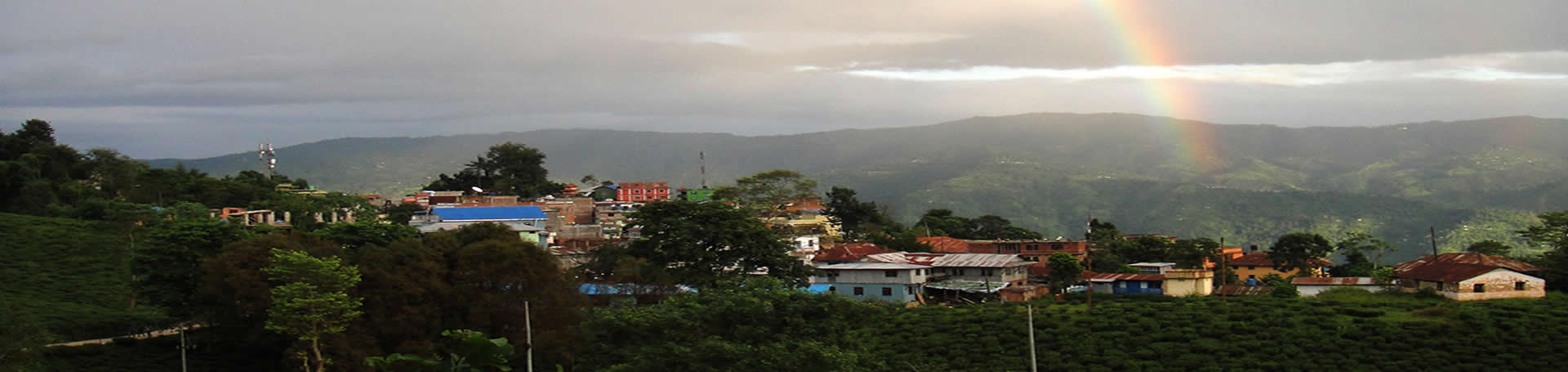
Ilam
About City
Ilam city, a province in western Iran, is known for its rich history, which dates back thousands of years. The region has been inhabited since prehistoric times and has seen the rise and fall of numerous civilizations, including the Assyrians, Medes, Persians, and Parthians. Ilam has been a crossroads for trade and cultural exchange, making it a melting pot of diverse influences that have shaped its unique identity.
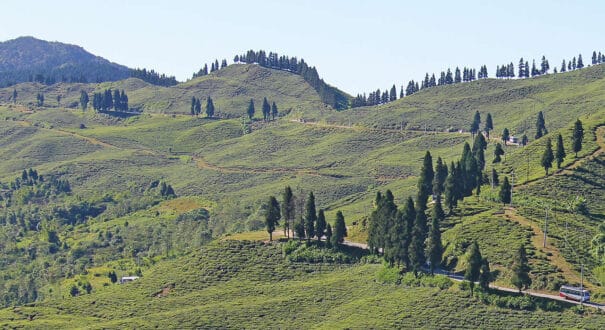
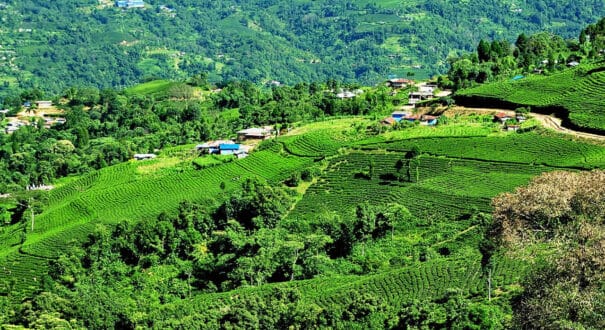
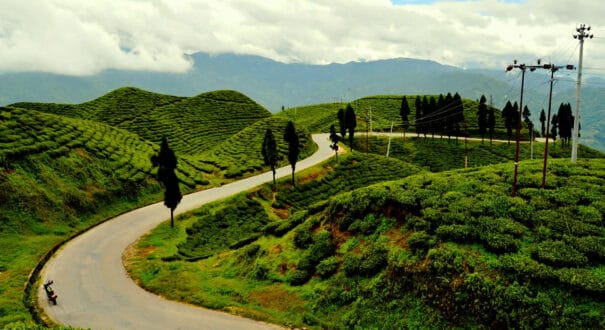
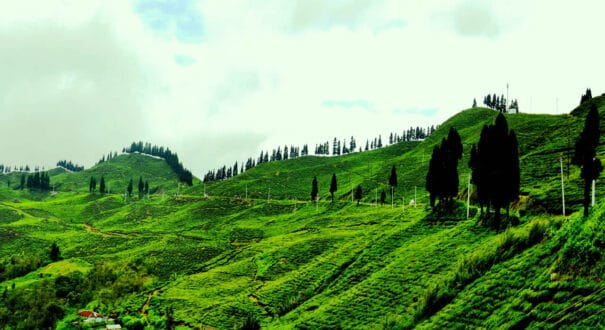
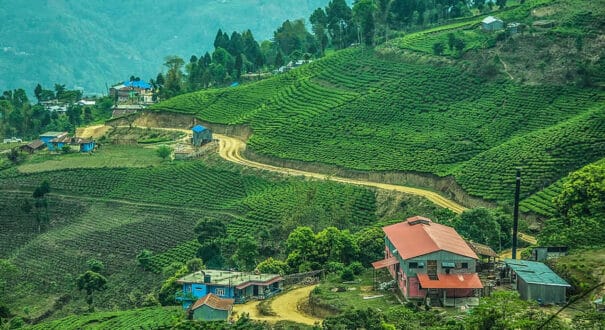
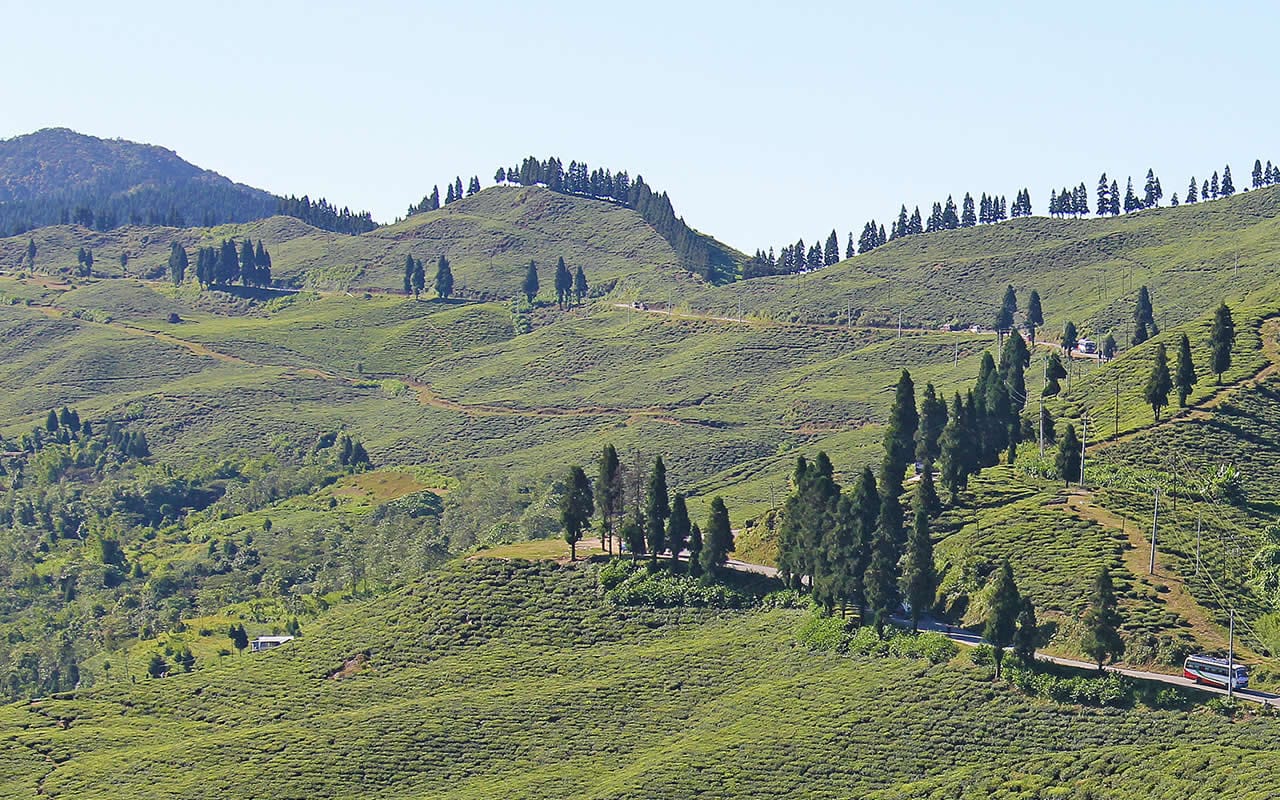
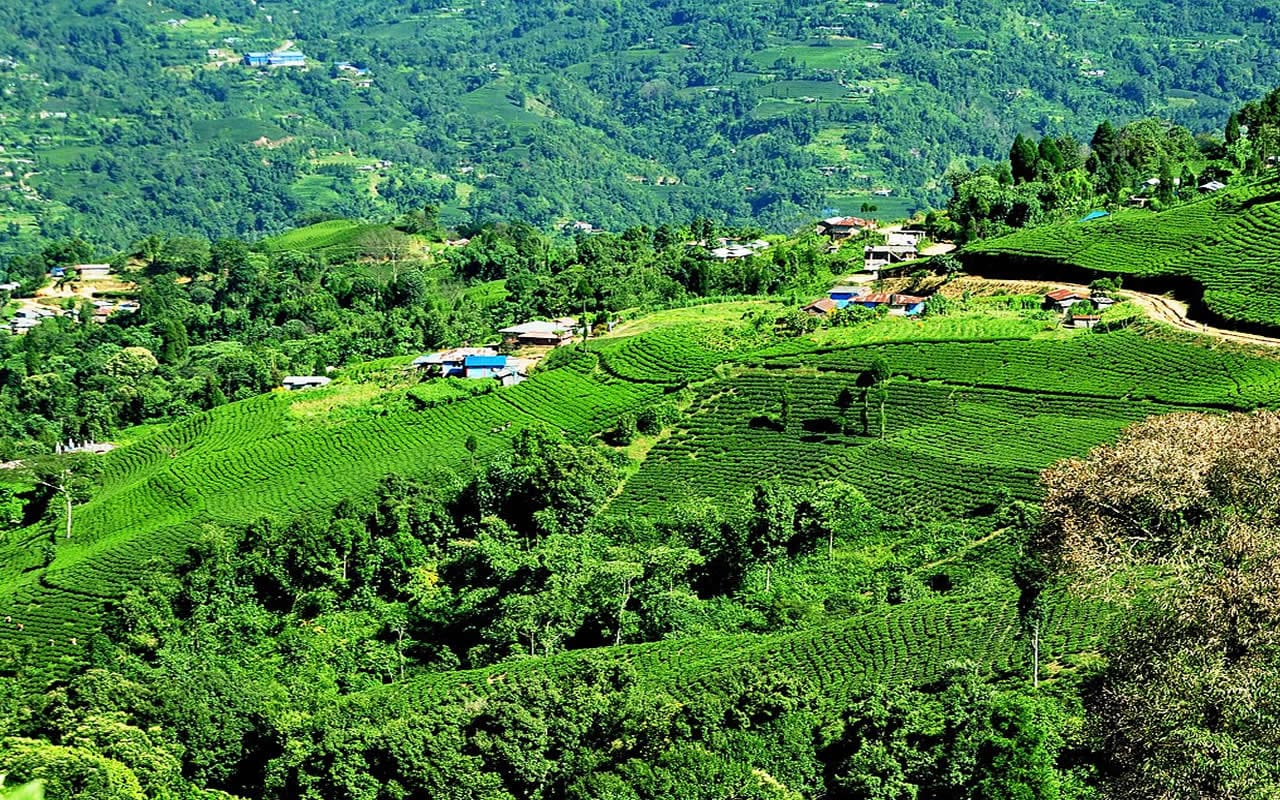
Geographically, Ilam is bordered by Iraq to the west, Lorestan to the east, Kermanshah to the north, and Khuzestan to the south. The province is characterized by fertile valleys and lush forests. The Zagros Mountains, which run through Ilam, are a prominent feature of the landscape and provide stunning vistas for visitors to enjoy.
Ilam city from a tourist's point of view
One of the highlights of visiting Ilam is experiencing its traditional and historic architecture. The city boasts a number of ancient structures, including the iconic Falahaty Palace and the Jameh Mosque, which showcase the intricate designs and craftsmanship of Persian architecture. Visitors can wander through the narrow alleyways of the old bazaar, shop for locally made handicrafts, and immerse themselves in the vibrant culture and traditions of the region.
With its stunning landscapes, rich history, and friendly locals, Ilam city offers a truly magical experience for tourists looking to explore an off-the-beaten-path destination in Iran.
Must see sites
Ilam city boasts a plethora of natural and historical attractions that make it a must-visit destination for travelers, from the stunning Zagros Mountains to the historic Temple of Anahita, the city has a unique blend of natural beauty and rich history that offers a truly unforgettable experience for visitors. Let’s have a closer look at the numerous attractions.
Historical sites
History buffs will appreciate the ancient ruins and archaeological sites scattered throughout Ilam, such as the historic Temple of Anahita and the scenic ruins of Yassini Castle.
One of the most notable sites in Ilam city is the ancient city of Shahr-i Sokhta, also known as the Burnt City. This Bronze Age settlement dates back to around 3200 BC and is one of the largest and oldest urban centers in the world. The site is home to well-preserved artifacts, such as pottery, tools, and even the remains of a woman with the world's oldest known artificial eye.
Ilam city is also home to the historical site of Chogha Zanbil, an ancient ziggurat and temple complex built around 1250 BC by the Elamite king Untash-Napirisha. The site is considered one of the best-preserved ziggurats in the ancient Near East and is a UNESCO World Heritage Site.
In addition to these ancient sites, Ilam city also boasts the archaeological site of Gohar-Tappeh. This site dates back to the Elamite period and contains the remains of a settlement, a palace, and a temple. The excavations at Gohar-Tappeh have provided valuable insights into the daily life, religious beliefs, and cultural practices of the Elamites.
Natural sites
Ilam city is a region known for its stunning natural beauty and numerous natural sites that draw visitors from near and far. One of the most famous natural sites in Ilam is the Bisheh Waterfall, the largest waterfall in Iran and a must-see destination for nature lovers. The waterfall cascades down a steep cliff surrounded by lush greenery, creating a picturesque and serene setting perfect for quiet contemplation and relaxation.
Another popular natural site in Ilam city is the Kabir Kuh, a mountain range that offers breathtaking views of the surrounding landscape. The Kabir Kuh is home to diverse flora and fauna, making it a paradise for hikers and nature enthusiasts looking to immerse themselves in the natural world.
In addition to these natural wonders, Ilam is also home to numerous hot springs that are said to have healing properties and offer a relaxing and rejuvenating experience for visitors. The warm mineral-rich waters of the hot springs are believed to have therapeutic benefits for a variety of ailments, and many people come to Ilam city specifically to soak in these soothing waters and unwind in the tranquil surroundings.
There are also the stunning landscapes of the Zagros Mountains that provide a picturesque backdrop for outdoor activities such as hiking, trekking, and bird-watching.
Ecotourism experience
The villages in Ilam city offer a unique glimpse into traditional Iranian culture, with their ancient architecture, rich history, and warm hospitality. Tourists can explore the winding streets, interact with locals, and savor traditional cuisine made with fresh, locally sourced ingredients.
One of the highlights of ecotourism in Ilam is the opportunity to trek through the towering mountains that surround the region. Hikers can traverse rugged terrain, explore hidden valleys, and discover remote waterfalls, all while enjoying the peace and tranquility of the mountains.
You can visit Ghalaghiran mountain, also called Ghalaghiran Castle, which has a high ranking in terms of climbing, its range is covered with old oak trees, which spread their foliage and shade over the surrounding areas and create an eye-catching picture.
Abdanan Twin Lake is located 184 km from Ilam City and in the northeastern part of this city. These lakes originate from a river that flows through a 70-meter-long natural channel into two lakes next to each other.
Getting to know locals and their culture
Ilam is a city known for its rich culture and welcoming people. Its diverse population includes Kurds, Arabs, and Lurs, each contributing to the city's unique cultural tapestry. The people of Ilam city are known for their hospitality, often inviting guests into their homes for tea and conversation. Traditional music and dance are important aspects of Ilami culture, with performances often held at weddings and other celebrations. Let’s get to know each aspect of the local culture a little better.
Food culture
Ilam is known for its unique and rich food culture, with a cuisine that reflects the region's agricultural abundance and culinary tradition. One of the most iconic dishes in Ilam is "Dareh Bazi," a hearty stew made with lamb or beef, chickpeas, vegetables, and a blend of aromatic spices. This dish is slow-cooked for hours, resulting in tender, flavorful meat and a thick, savory broth that is often served with steamed rice.
Another popular dish in Ilam city is "Kangar," a type of bread made with whole wheat flour, yogurt, and a variety of spices. This bread is typically enjoyed with local cheeses, fresh herbs, and olives, making it a delicious and satisfying meal.
Ilam city meatballs are another beloved dish in the region, made with ground meat (often lamb or beef), onions, garlic, and a blend of spices like turmeric and cinnamon. These meatballs are shaped by hand and then fried until they are crispy on the outside and juicy on the inside. They are often served with rice and a side of yogurt or salad, making for a well-rounded and satisfying meal.
There are also several deserts and sweets options such as "Koloocheh," a sweet and flaky pastry filled with dates, nuts, or spices, and “Barsaq” which has a very different taste and is prepared using ingredients such as cumin, corn, and wheat flour, sugar, pounded fennel, rose water, cinnamon, milk, etc.
Ilam's food culture also features an abundance of fresh fruits and vegetables, with dishes like "Dolma" (stuffed grape leaves) and "Sabzi Khordan" (a platter of fresh herbs, radishes, and feta cheese) highlighting the region's vibrant produce.
Local language and dialect
Ilam is home to a unique local language and dialect known as Ilami. This language is primarily spoken by the indigenous Kurdish population in the region. Ilami is a distinct dialect of Kurdish, with its own set of vocabulary, grammar, and pronunciation. It is deeply rooted in the rich cultural history of the area and serves as a symbol of identity and heritage for the people of Ilam city.
The Ilami dialect is characterized by its melodious and rhythmic intonation, making it a prominent feature of the local culture. It is commonly used in daily conversations, as well as in traditional songs and poems that are passed down through generations.
Some of the local Ilami words are Aw meaning water, Mie Wan meaning guest, and Khalo meaning uncle.
Local festivals
One of the most significant festivals celebrated in Ilam city is Norouz, which marks the Persian New Year and is observed with great enthusiasm and joy. People in Ilam prepare for Norouz by cleaning their homes, buying new clothes, and cooking special dishes. The festival begins on the first day of spring and lasts for 13 days, during which time families gather together to exchange gifts, visit each other's homes, and enjoy traditional music and dance performances.
Another popular festival in Ilam is the Tulip Festival, which takes place in early spring when the fields are covered with colorful tulips. The festival celebrates the beauty of nature and the beginning of a new season. The festival also includes traditional music and dance performances, art exhibitions, and local food stalls serving delicious local dishes.
In addition to these larger festivals, Ilam city is also home to a variety of local ceremonies and celebrations that are specific to the region. One such ceremony is the annual Water Festival, held in the summer to celebrate the importance of water in the region's agricultural practices. The festival includes water sports, boat races, and cultural exhibitions, and the Tirgan festival, which is celebrated in honor of the mythical hero Tir. This festival is characterized by music, dance, and traditional games, with participants wearing colorful costumes and participating in various competitions.
Bazaars and unique souvenirs
The local bazaars in Ilam are bustling with activity, filled with colorful stalls selling everything from traditional handicrafts to spices and textiles. One of the most popular souvenirs in these bazaars is embossed rugs, known for their intricate designs and high-quality craftsmanship. These rugs are not only beautiful pieces of art but also a reflection of the region's rich history and culture.
In addition to local hand-woven rugs, visitors to Ilam city can find a variety of other unique souvenirs in the local bazaars, such as hand-painted pottery, leather goods, and intricate jewelry. they can also find traditional spices, teas, and honey in the bazaars, allowing them to bring a taste of Iran back home with them.
These souvenirs not only make for meaningful mementos of a visit to Ilam city but also provide a way to support the local artisans and preserve the region's rich cultural heritage for generations to come.
The city’s nightlife
The city offers a vibrant nightlife scene with numerous cafes and restaurants where locals and visitors alike can enjoy delicious cuisine and drinks. Whether you're looking for a cozy spot to sip on a cup of tea or a lively restaurant to try traditional Iranian dishes, Ilam city has something for everyone.
One of the highlights of a night out in Ilam is the stunning city views that can be enjoyed from various vantage points. The city comes alive with an array of colorful lights and bustling activity, creating a magical ambiance that is sure to leave a lasting impression. From the top of a hill overlooking the city to the bustling streets below, there are endless opportunities to appreciate the beauty of Ilam after dark.
Final recommendations
Best time for a visit
The best time to travel to Ilam is during spring, which typically lasts from March to May. During this time, the weather is mild and pleasant, with blooming flowers and lush greenery all around. The temperatures are not too hot or too cold, making it the perfect time to explore the city and its surrounding natural beauty. Additionally, spring is a popular time for festivals and events in Ilam city, allowing travelers to experience the local culture and traditions.
Another great time to visit Ilam is during the autumn season, from September to November. Similar to spring, autumn in Ilam offers mild temperatures and beautiful scenery with the changing colors of the leaves.
Hotels and local residences
Hotels in Ilam city offer a more contemporary and luxurious experience, with amenities such as room service, swimming pools, and in-house restaurants. These hotels provide a comfortable stay for tourists looking for a more traditional lodging experience while still enjoying modern conveniences.
On the other hand, staying in a local residence in Ilam offers a more authentic and immersive experience. By opting to stay with a local family or in a guesthouse, visitors can get a glimpse into the daily lives and traditions of the people of Ilam. They can also enjoy home-cooked meals made with fresh, local ingredients, as well as being able to interact with local residents and learn about their culture firsthand.
Traffic culture and Transportation guide
Like many other cities in Iran, the driving culture in Ilam can be described as chaotic and fast-paced. Drivers often navigate through busy streets with a combination of honking horns and quick maneuvers. Despite these challenges, the people of Ilam city are generally skilled and confident drivers who are able to navigate the streets safely.
In terms of transportation, Ilam city offers a variety of options for getting around the city and its surrounding areas. Public transportation is a popular choice for many residents, with buses and taxis readily available for those looking to travel around the city. Additionally, there are plenty of private transportation options such as rental cars and private drivers for those looking for a more personalized experience.
Safety and cultural tips
It is important to be aware of certain safety precautions and cultural norms to ensure a smooth and enjoyable experience. It is also recommended to be mindful of your belongings and avoid displaying valuable items in public to prevent theft.
In terms of cultural tips, it is important to dress modestly and respectfully when exploring Ilam city, as Iran is a conservative country with strict clothing regulations, particularly for women. It is also customary to remove your shoes before entering a mosque or someone's home, so be sure to follow this practice to show respect for the local culture.
Lastly, when interacting with locals, it is important to be polite, patient, and open-minded, as Iranians are known for their hospitality and warmth towards visitors.
Planning one day in Ilam city
Planning a day in Ilam involves immersing yourself in the local culture and cuisine, and exploring the city's many attractions. Start your day by visiting the historic Ilam Castle, a symbol of the city's ancient past which offers panoramic views of the surrounding mountains and is a great spot for taking photos. Next, head to the Ilam Bazaar, where you can shop for local crafts, spices, and textiles. Be sure to sample some of the delicious local cuisine, such as the famous Ilami kebab or traditional Iranian sweets.
After a morning of sightseeing, spend the afternoon exploring the natural beauty of Ilam. Take a relaxing walk through the Ilam Park, a lush green space with winding paths and colorful flowers. If you're feeling adventurous, hike to the nearby Kabir Kuh waterfall, a majestic cascade that is sure to take your breath away. End your day by watching the sunset from the Kalleh Bridge, a historic stone bridge spanning the Seimareh River. As the sun dips below the horizon, reflect on the beauty and tranquility of Ilam, a city that offers a perfect blend of history, culture, and nature.