Khoram Abbad
About City
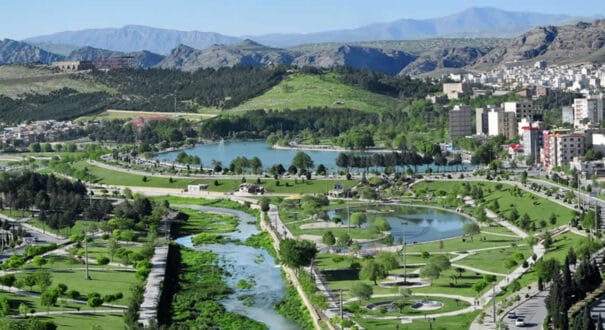
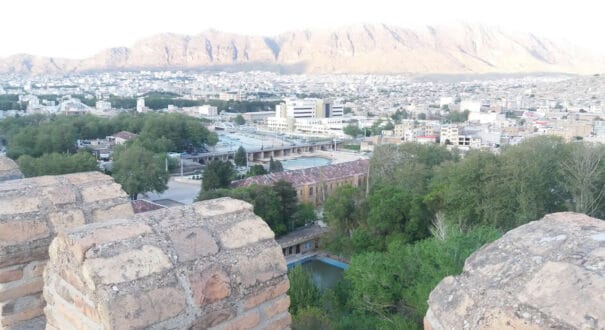
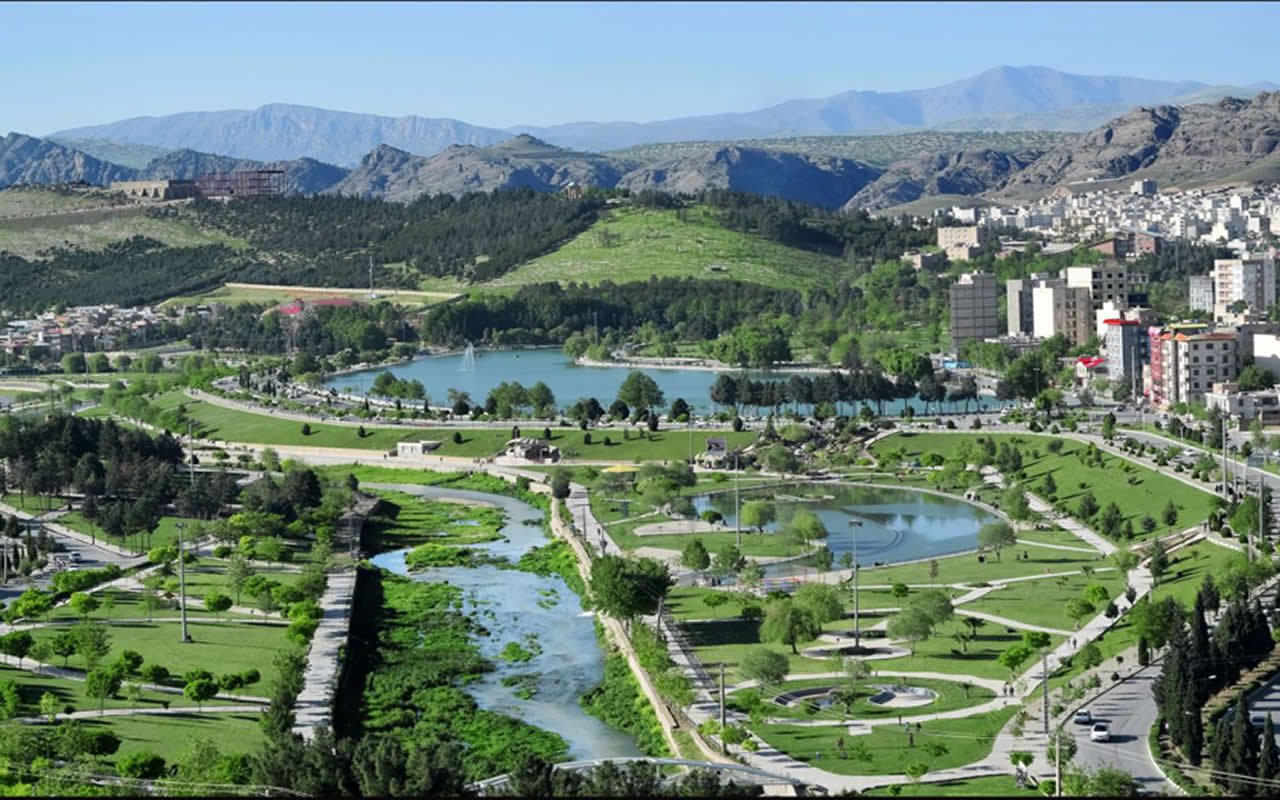
Khoram Abbad city is located in the western region of Iran in the Lorestan province. It is the capital of both the Khoram Abbad County and the Lorestan Province. The city is situated beside the beautiful Zagros Mountains and the Shapur River, adding to its scenic beauty and charm. Khorramabad has a rich history that dates back to ancient times when it was known as Khosrowabad and been ruled by various dynasties and empires, including the Parthians, and Sassanids.
Khoram Abbad has a diverse population with various ethnic groups, including Lurs, Kurds, and Persians, and is known for its hospitable and friendly people, who welcome visitors with open arms.
Khorramabad city is a significant cultural and economic center in the Lorestan province, with various industries such as agriculture, mining, and tourism contributing to its economy. The city is known for its traditional bazaars, where locals and tourists can shop for handicrafts, spices, and other local products.
Khorramabad is a city that effortlessly blends its rich history, stunning natural beauty, and vibrant culture to create a unique and unforgettable experience for visitors.
The best time to visit Khoram Abbad city
The best time to travel to Khoram Abbad city, the capital of Lorestan province in Iran, is in the spring and fall seasons. During these times, the weather is mild and pleasant, making it perfect for exploring the city's many attractions and outdoor activities. The spring months of March to May bring blooming flowers and lush greenery to Khorramabad city, creating a picturesque backdrop for sightseeing and hiking in the surrounding mountains. In the fall, from September to November, the temperatures are also comfortable, making it a great time to explore the ancient castles, mosques, and bazaars of the city.
Additionally, traveling to Khoram Abbad city during the shoulder seasons of spring and fall means avoiding the crowds and high prices that come with peak tourist season. With fewer tourists around, visitors can enjoy a more authentic experience of the local culture and cuisine.
First encounter, what you can expect
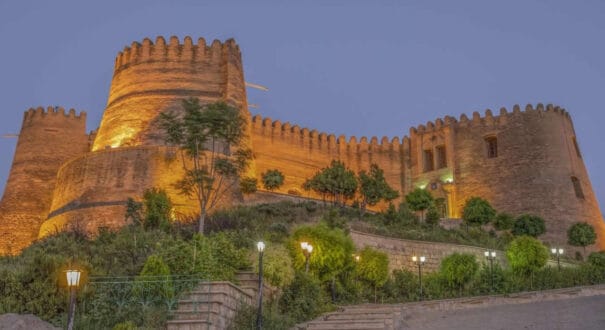
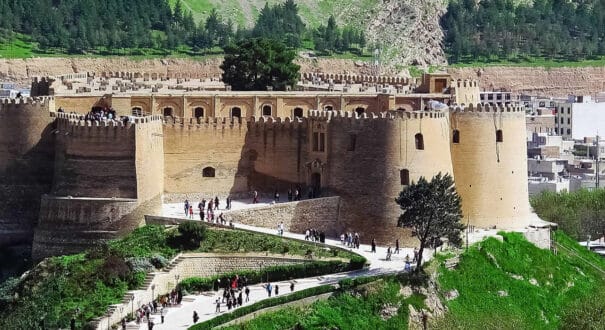
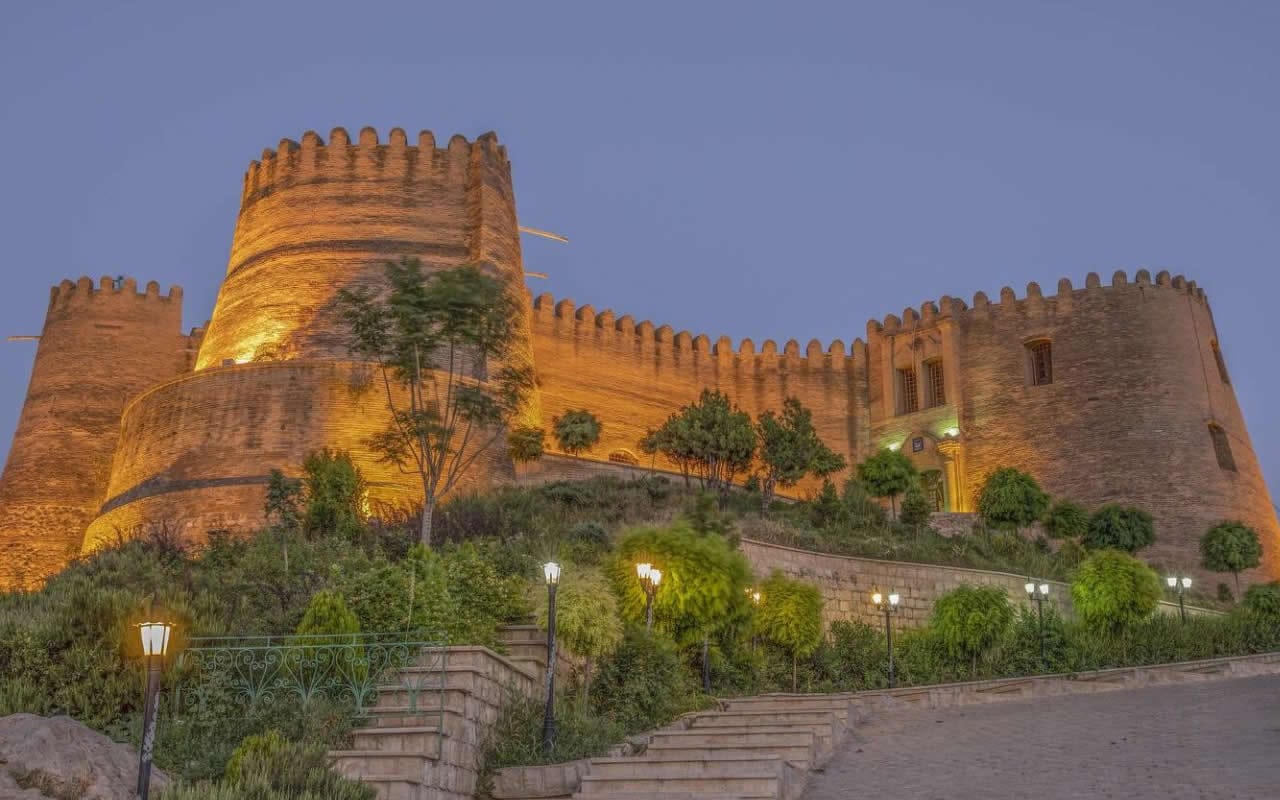
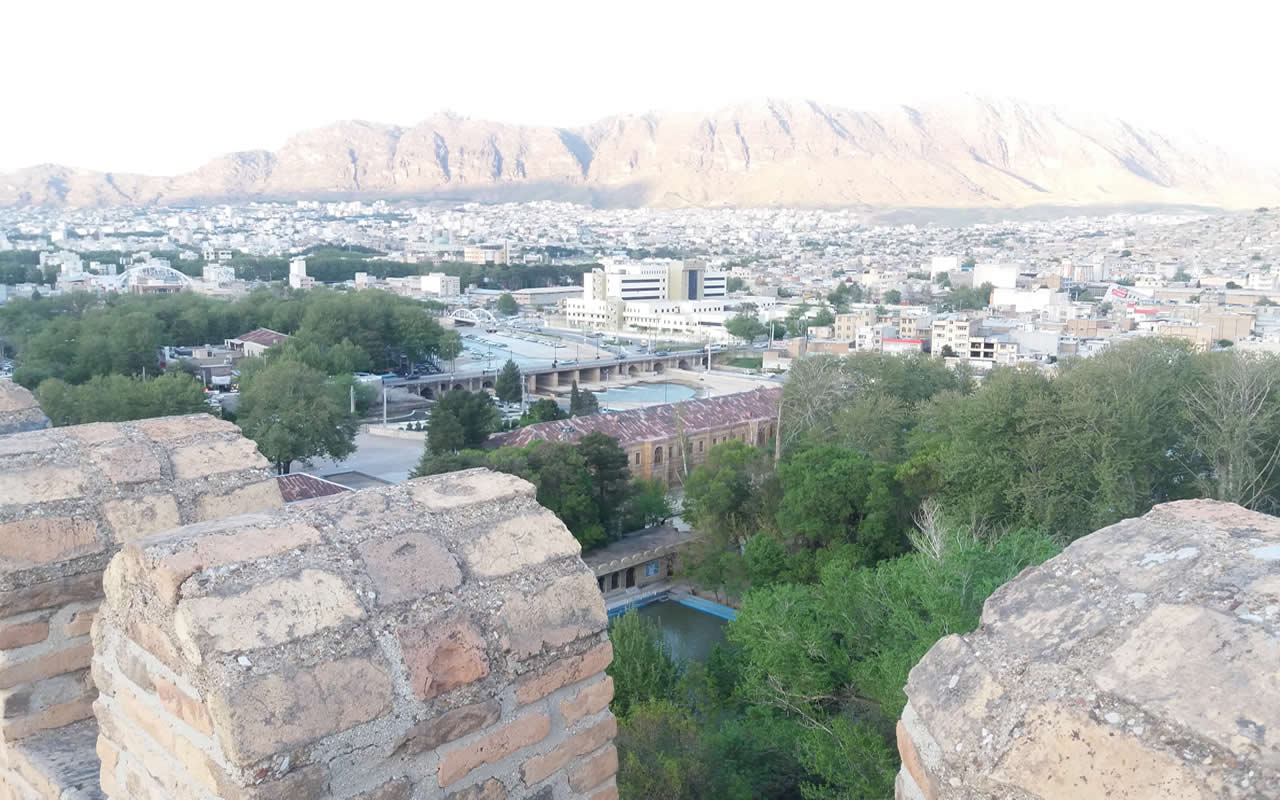
As a tourist visiting Khorramabad city for the first time, the city immediately leaves a lasting impression with its stunning natural beauty and rich history. The towering mountains and lush forests that surround the city create a picturesque backdrop for exploring the area. The historic architecture, such as the Falak-ol-Aflak Castle, showcases the city's ancient roots and offers a glimpse into its past.
Wandering through the bustling bazaars and observing the locals going about their daily lives provides a unique insight into the culture and traditions of Khorramabad. The warm and welcoming hospitality of the residents adds to the charm of the city. Tasting the local cuisine, such as traditional dishes like Abgoosht and Ashe-Anar, is a culinary adventure that allows tourists to experience the flavors of the region.
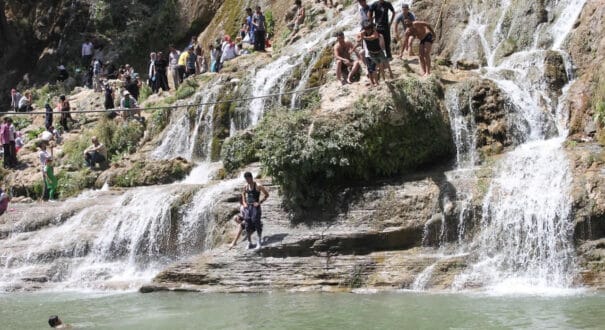
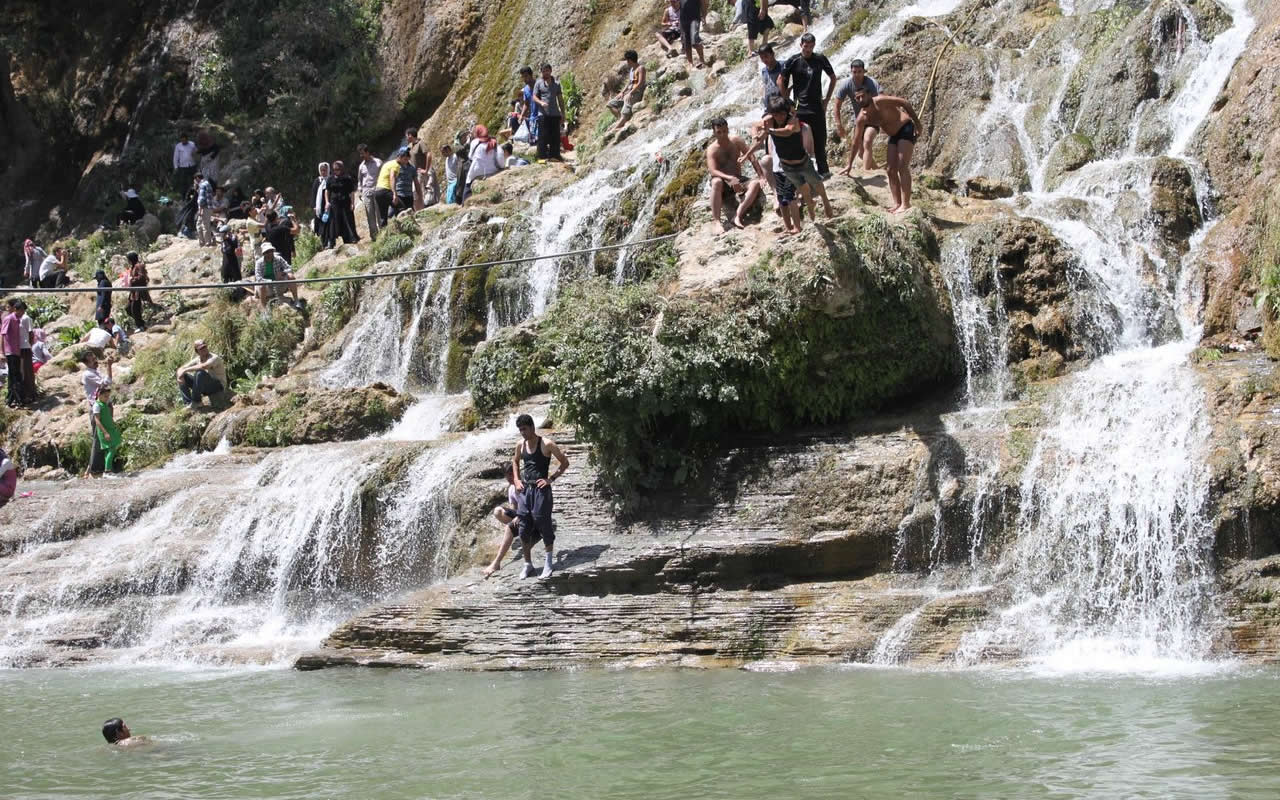
Exploring Khorramabad’s natural wonders, such as the stunning Bisheh Waterfall and the serene Gahar Lake, combined with the hospitality of the locals and the rich history of the city, make Khoram Abbad city a must-visit destination for any traveler looking to immerse themselves in Iranian culture and experience the beauty of the region.
Where to go? What to see?
The city boasts a number of luxurious hotels that cater to tourists looking for a comfortable and convenient place to stay. These hotels offer amenities such as swimming pools, spa services, and gourmet restaurants, making them the perfect choice for visitors who want to relax and unwind after a long day of sightseeing.
In addition to hotels, Khoram Abbad city also has a variety of local residences available for short-term rental. These residences, which include guesthouses, apartments, and traditional Iranian homes, offer a more authentic and immersive experience for travelers who want to live like a local during their stay. Staying in a local residence allows visitors to interact with residents, experience the culture firsthand, and explore the city from a different perspective.
After choosing your preferred accommodations, it’s time to explore what this magical city has to offer.
Ecotourism in the surrounding villages and untouched nature
Ecotourism in the surrounding villages of Khorramabad city offers a unique and authentic experience for travelers looking to connect with nature and local culture. These villages, nestled in the beautiful mountains of western Iran, provide a serene escape from the hustle and bustle of city life. Visitors can explore lush forests, crystal-clear rivers, and cascading waterfalls while immersing themselves in the traditions and customs of the local communities.
By staying in eco-friendly accommodations, sampling locally sourced cuisine, and engaging in activities that respect the natural environment, travelers can contribute to the preservation of the area's biodiversity and cultural heritage.
Natural attractions
The mountainous region offers a unique opportunity for nature lovers to explore and appreciate the diverse landscape. The mountains in Khoram Abbad city are known for their rugged terrain, with peaks reaching over 3,000 meters. These majestic mountains provide a breathtaking backdrop for the city, offering panoramic views and opportunities for hiking, trekking, and mountain climbing.
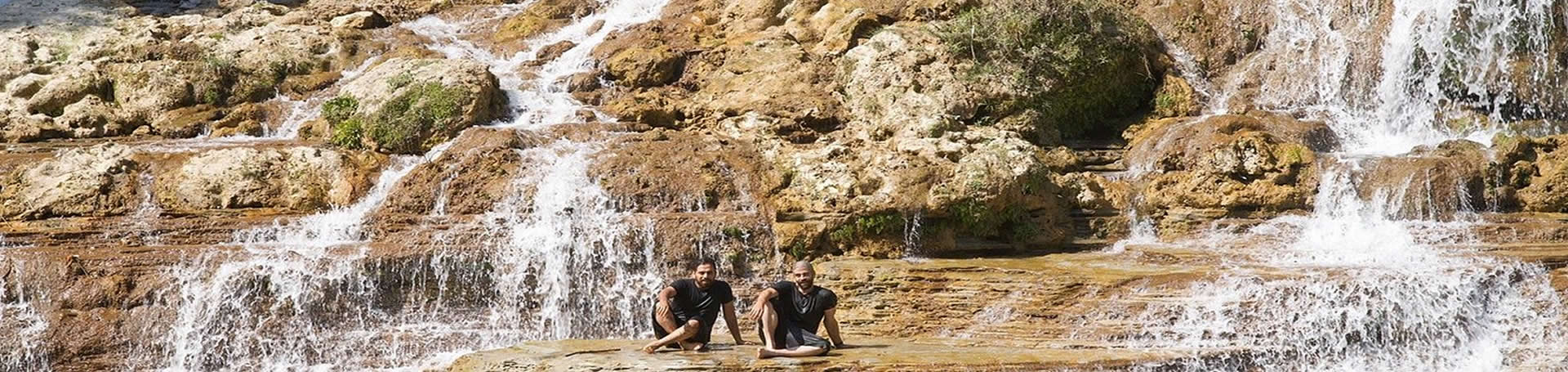
The rivers in Khoram Abbad city are a vital source of life for the region, providing water for agriculture, wildlife, and human consumption. The most well-known river in Khorramabad is the Dez River, which flows through the city and provides a picturesque setting for residents and visitors alike. The river is also popular for recreational activities such as fishing, boating, and swimming. In addition to the Dez River, there are countless other rivers and streams that flow through the mountains, caves, and valleys in and around Khorramabad, such as Efrain waterfall, Nozhian waterfall, Nayangiz waterfall and forest, Wark waterfall, Bisheh waterfall, Great waterfall, Velvet Mountain Forest Park, Shoab forest park, Kenji Cave, Doshe Cave, Lunar cave, Yafteh cave, etc, creating a network of waterways that sustain the ecosystem and foster biodiversity.
The pristine valleys in Khorramabad city are a hidden gem, offering a tranquil and peaceful escape from the hustle and bustle of city life. Lush green valleys dotted with wildflowers, fruit orchards, and picturesque villages provide a serene backdrop for relaxation and rejuvenation. The valleys are also home to various wildlife, including deer, foxes, and bird species, making it a popular destination for eco-tourists and nature enthusiasts.
The most famous natural lake in Khoram Abbad is Keeyow Lake, with a depth of 3 to 7 meters and a size of 7 hectares, it has clear water that originates from the springs of Makhmelkouh and Golestan.
The lake is surrounded by lush green forests and towering mountains, creating a breathtaking backdrop for visitors to enjoy, it is also home to a variety of wildlife and plant species, making it a popular destination for nature lovers and wildlife enthusiasts.
Kew means blue in the Lori language, which refers to the beautiful and clear water the lake.
Architectural and historical sites of Khoram Abbad city
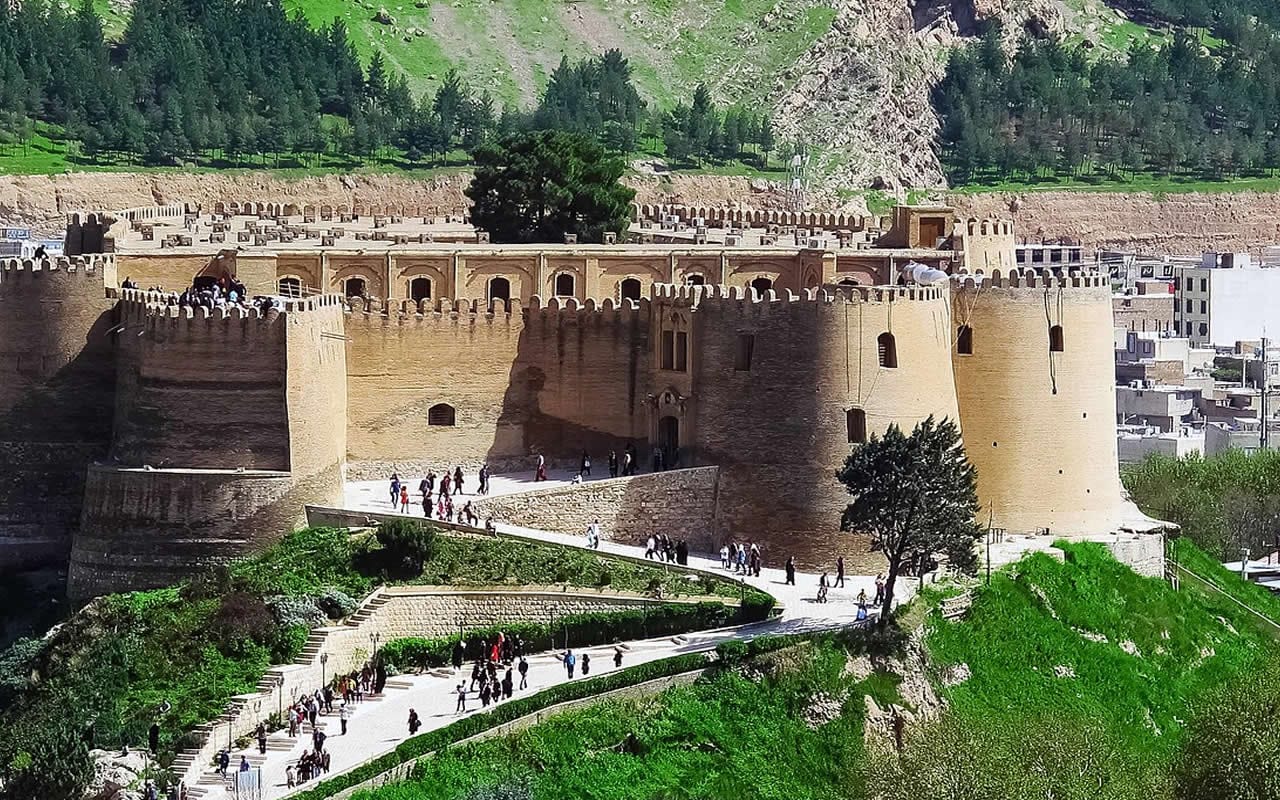
One of the most prominent landmarks of Khorramabad cityd is the Falak-ol-Aflak Castle, also known as the Twelve Towers Castle. This impressive structure dates back to the Sassanid era and stands as a symbol of the city's ancient past. Visitors can explore the various levels of the fortress and admire the stunning views of the surrounding landscape.
Another historical attraction in Khorramabad city is the Shapurkhast Caravanserai, a well-preserved roadside inn that once provided shelter and accommodations to travelers passing through the region. Built during the Safavid dynasty, this caravanserai offers a glimpse into the thriving trade routes that once existed in the area. Visitors can explore the courtyard, rooms, and underground passages of the caravanserai, gaining insight into the daily life of travelers centuries ago.
Another famous attraction in Khoram Abbad is the Gerdab Sangi, a natural stone formation that resembles a whirlpool. This unique geological marvel has been a popular tourist destination for many years. The Gerdab Sangi is not only a natural wonder but also holds great archaeological importance.
Alongside the stone formation, there is a stone inscription that dates back to the Sassanid era, around 224-651 AD. The inscription is believed to have been created to commemorate a royal visit and is in Middle Persian script providing valuable information about the history and culture of the region during that time. It is a fascinating glimpse into the past and serves as a reminder of the rich Khoram Abbad city heritage.
Another notable site is the Shapouri Bridge, a historical bridge constructed during the Qajar dynasty.
Traditional bazaar and local markets
The Khoram Abbad bazaar, also know this market by the name of gold sellers market or Mirza Reza market, is a bustling marketplace located in the heart of the city of Khorramabad city. This historic bazaar has an area of 2,130 meters and has been a central hub of commerce and culture for centuries, dating back to the ancient Silk Road trade route. This market, which was built in 1301 solar Hijri, used to be the only place for caravans to rest and was known as a caravanserai, but today it is considered one of the most important historical monuments of this city and is a vibrant mix of old and modern, with traditional artisan shops and modern retail stores coexisting side by side and offers a wide range of goods and services from handmade crafts to fresh produce.
Visitors can explore narrow alleyways and hidden courtyards, where they will find vendors selling traditional Persian carpets, spices, and handicrafts. The bazaar is also home to various local eateries serving up delicious Persian cuisine, such as kebabs, stews, and sweets. The bazaar is also a venue for cultural events and celebrations, such as traditional music and dance performances. The Khorramabad bazaar is a place where the past and present converge.
Local culture and people
Food culture and cuisine
The cuisine in Khorramabad city is deeply rooted in the region's history, culture, and natural resources. This has resulted in a diverse range of dishes that are both delicious and reflective of the locals' culinary traditions.
One of the most popular dishes in Khoram Abbad is Boroujerdi kebab, which consists of grilled skewers of seasoned meat served with aromatic saffron rice. This dish is a staple in Iranian cuisine, but in Khorramabad, it is often prepared with a special blend of spices that give it a distinctive flavor.
Another local favorite is Asheh-Reshteh, a hearty soup made with greens, beans, lentils, and noodles. This dish is typically served during winter and is considered a comfort food that warms the body and soul.
One of the most popular dishes is Lorestani Shami. This traditional dish consists of a delicious combination of minced meat, onions, and a blend of aromatic spices like turmeric, cinnamon, and cumin. The mixture is then shaped into small patties and fried until golden and crispy on the outside.
In addition to these savory dishes, Khorramabad city is also known for its delectable sweets and desserts such as Kolompeh and Gevchi. Kolompeh is a sweet pastry filled with dates, while Gevchi is a flaky pastry filled with nuts and spices. These desserts are typically enjoyed with a cup of traditional Persian tea, which is an integral part of Iranian food culture.
Local traditional handicraft
The city is a treasure trove of handmade items such as rugs, pottery, textiles, and metalwork. Khorramabad's artisans are known for their intricate designs and attention to detail, making each piece a unique work of art.
One of the most popular souvenirs from Khorramabad is the renowned Khorramabadi rug. These hand-woven carpets are made using traditional techniques that have been passed down through generations and are known for their vibrant colors and intricate patterns, making them a must-have item for anyone looking to bring a piece of Iranian culture home. Visitors can also find beautiful pottery and metalwork items that showcase the skill and craftsmanship of Khorramabad's artisans.
Dialect and language
Lori dialect is a prominent language spoken in Khoram Abbad city. This dialect is widely used by the local population and holds a significant cultural value creating a strong sense of community and identity. The Lori dialect is classified under the West Iranian branch of the Indo-Iranian languages and is characterized by its unique phonology, lexicon, and grammar.
The Lori dialect features various common terms specific to the region, which are essential for effective communication with locals. In Khoram Abbad, Lori speakers often use specific colloquialisms and idioms that reflect the local culture and way of life. For example, ‘cha'k chena’, means arguing, ‘da'm halkoni’, means to make fun of, ‘tonek’, means thin, ‘ta'marezo’, means longing, and ‘cha'ra’ means cutting sheep’s wool.
Traditions and festivals
One of the most important aspects of the city's culture is its festivals and traditional ceremonies, which are deeply rooted in the region's history and customs. These events provide a unique opportunity for locals and visitors alike to experience the rich tapestry of Khoram Abbad city's cultural identity.
One of the most famous festivals in Khorramabad city is the Pir Shalyar ceremony, which takes place annually in celebration of the legendary figure Pir Shalyar. This festival is a symbol of unity and solidarity among the people of Khorramabad, as thousands gather to pay homage to this revered saint and participate in various rituals and ceremonies. The festival includes traditional music and dance performances, as well as feasting and other cultural activities that showcase the city's heritage.
Another important tradition in Khorramabad is the Chaharshanbe Suri festival, which marks the eve of the Persian New Year. During this festival, people gather to jump over bonfires and engage in other symbolic rituals to cleanse themselves of the past year's troubles and welcome the new year with hope and optimism.
In addition to these major festivals, Khoram Abbad city is also home to several other traditional ceremonies and events throughout the year. These include religious ceremonies, such as the mourning rituals held during the month of Muharram, as well as cultural events like the traditional horse racing competitions that are held in the city.
One day in Khorramabad
Planning a day in Khorramabad can be a delightful experience filled with cultural exploration and natural beauty. You can start with the must-visit Falak-ol-Aflak Castle, a stunning historical fortress that dates back to the Sassanian era, which is also home to a museum where visitors can learn more about the history of the region.
After exploring the castle, a visit to Dena Park is highly recommended. The park is filled with colorful flowers and trees, providing a peaceful retreat from the hustle and bustle of the city. Visitors can also hike up the nearby hills for breathtaking views of the city and the Zagros mountains.
For lunch, visitors can indulge in the local cuisine at one of the many traditional restaurants in Khoram Abbad city and try delicious kebabs, stews, and rice dishes, which are sure to satisfy any food lover's palate. After lunch, visitors can explore the local bazaars and shop for souvenirs such as handicrafts, textiles, and spices.
To end the day, a visit to the Bisheh Waterfall is a must. This picturesque waterfall is located just outside the city and provides a tranquil setting for relaxation and reflection. Visitors can take a refreshing dip in the cool waters or simply enjoy the soothing sound of the cascading waterfall. Watching the sunset over the waterfall is a truly magical experience that will leave a lasting impression on any visitor to Khoram Abbad.
Final recommendations
Safety issues for traveling to Khoram Abbad is basically the same as in every other city, it is recommended to avoid traveling alone, especially at night, and to be mindful of your surroundings at all times. Petty theft can be a concern in crowded areas, so it is advisable to keep your belongings secure and to not display valuables openly.
Additionally, it is recommended to dress modestly and respectfully, especially when visiting religious sites or conservative areas in Khoram Abbad city.
Lastly, tourists should follow local authorities' guidance and respect the region's cultural norms.
Transportation
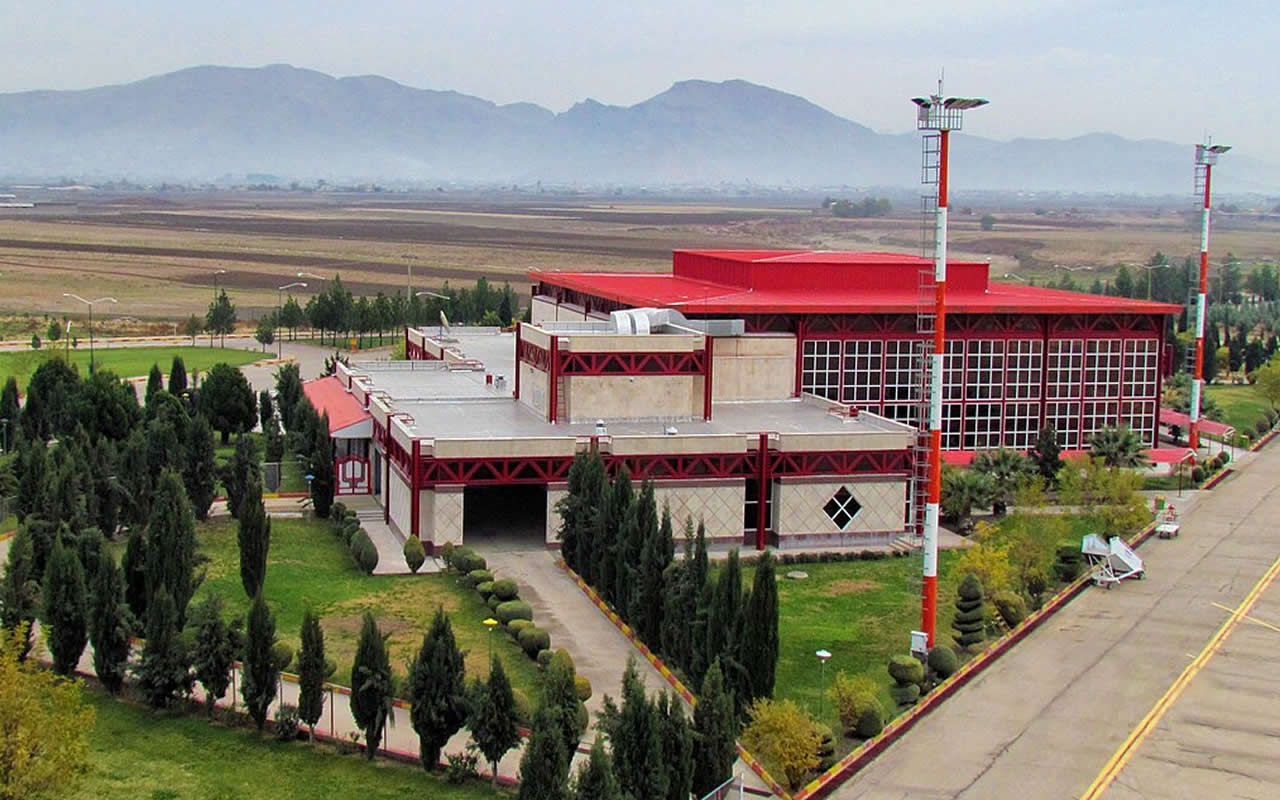
Khorramabad city offers a variety of transportation options for both residents and visitors. The city has a well-developed public transportation system, including buses that connect different parts of the city and surrounding suburbs. Taxis are also readily available and provide a convenient way to navigate the city quickly. For those looking for more flexibility, rental cars are a popular choice. Additionally, the city has a number of bike rental stations, making cycling a fun and eco-friendly way to get around.
Traffic in Khorramabad city
Driving behavior and traffic in Khorramabad city, like many other cities in Iran, can be described as chaotic and unpredictable. With a lack of strict enforcement of traffic laws and regulations, drivers often exhibit reckless behavior such as speeding, tailgating, and cutting off other vehicles without signaling. This, coupled with the haphazard parking habits of many residents, leads to frequent congestion and gridlock on the city's streets.
Nightlife
One of the most enchanting experiences in Khoram Abbad is taking a night outing to explore the city under the soft glow of streetlights and twinkling stars. The sounds of laughter and conversation float through the air, mingling with the aromas of local delicacies being cooked in bustling food stalls. Strolling through the winding streets, one can catch glimpses of traditional music performances and intricate Persian carpet weavers at work. The warm hospitality of the locals adds to the rich tapestry of sights and sounds, making a night outing in Khorramabad a truly unforgettable experience filled with culture, history, and beauty.
For tourists, the memories of Khorramabad are filled with the majestic sights of the Falak-ol-Aflak Castle, the natural beauty of the Bisheh Waterfall, and the vibrant atmosphere of the city's bustling bazaars. The effects of Khoram Abbad city on tourists are profound, leaving them with a newfound appreciation for the beauty and history of Iran. In the end the memories and effects of Khorramabad for tourists are sure to leave a lasting impression and a desire to continue exploring all that this magnificent city has to offer.
City Information
-
 Khoram Abbad
 -
 Khoram Abbad
 -
 Khoram Abbad
 -
 Khoram Abbad
 -
 Khoram Abbad
 -
 Khoram Abbad