Masal
About City
Masal city is a small town in the northern region of Iran, in the province of Gilan. This picturesque town is nestled in the Alborz Mountains, surrounded by lush green forests and stunning landscapes. Situated about 25 kilometers from the Caspian Sea, Masal has a unique and idyllic location.
The population of Masal is relatively small, with around 10,000 residents living in the town and its surrounding villages. The majority of the population is of Iranian descent, with a mix of ethnic groups living in the area.
Masal enjoys a mild and temperate climate, with cool summers and mild winters. The town experiences high levels of precipitation throughout the year, which contributes to the lush greenery and abundant plant life in the region.
The best time to visit Masal city is during the spring months of April and May when the hills come alive with a riot of colorful wildflowers blooming everywhere, and another ideal time to visit Masal is in the fall months of September and October when the hills are blanketed with the warm hues of autumn foliage. But the busiest time for the region is the summer season, months June to August, during which time, temperatures can soar up to 30 degrees Celsius, making it less ideal for outdoor activities.
Masal city’s amazing nature
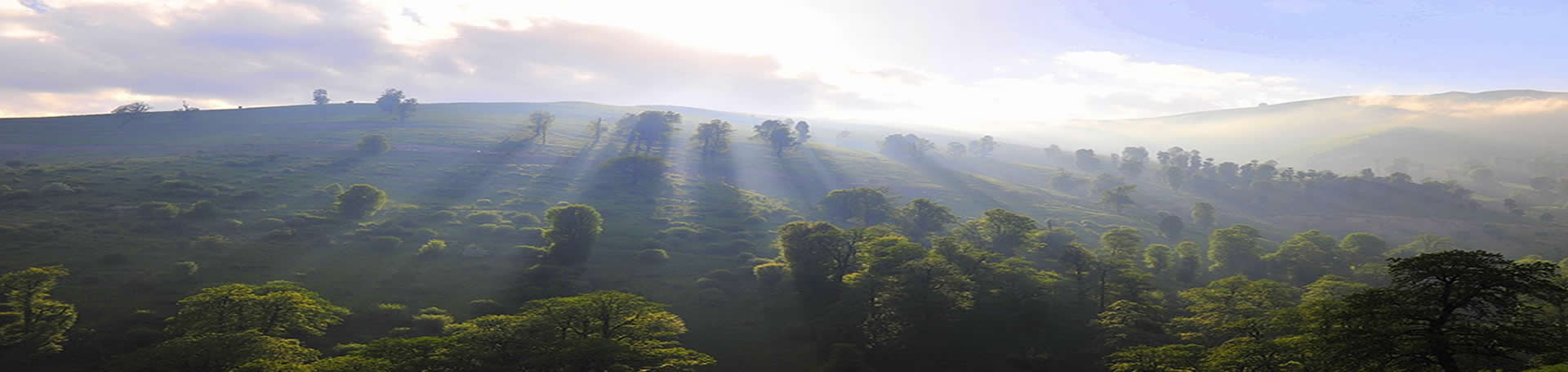
As a tourist visiting Masal city for the first time, you will be immediately stunned by The lush green mountains, cascading waterfalls, and pristine rivers that create a breathtaking backdrop for your adventures. You will feel a sense of peace and serenity wash over you as you take in the sights and sounds of this hidden gem.
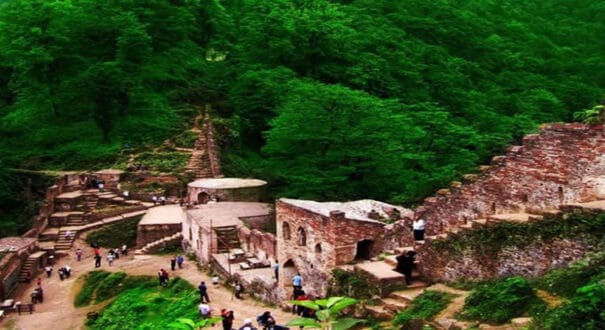
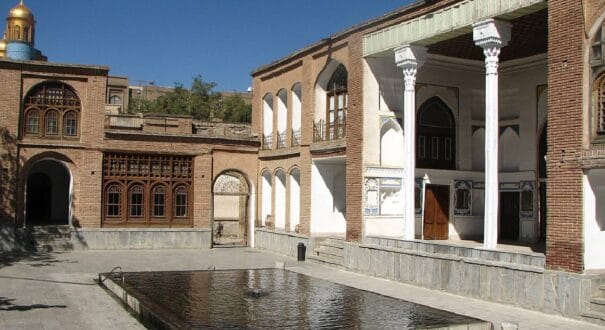
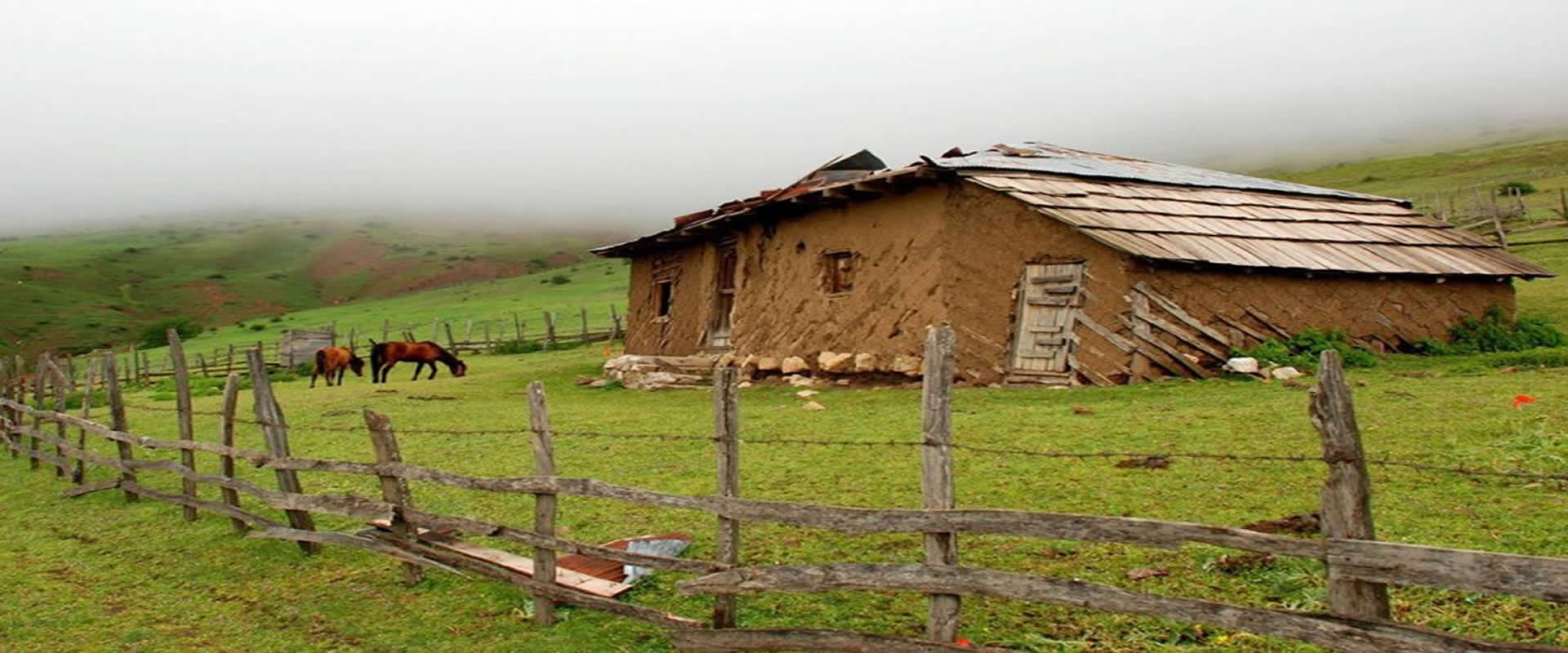
The traditional wooden houses with intricate carvings and vibrant colors are a sight to behold. You feel fascinated by the local arts and crafts, from intricate carpet weaving to delicate pottery, and the history and tradition behind it.
The village is surrounded by majestic mountains, lush forests, flowing rivers, and enchanting waterfalls, making it a paradise for nature lovers and adventurous souls alike, but the rugged terrain is a challenge for hikers and climbers.
Forests and wildlife of Masal city
Masal city is located near various verdant and rich forests and forest parks, such as Rizmendan Forest Park, Hyrcanian forests, and the Shanderman region. The lush greenery provides a habitat for numerous species and animals, creating a vibrant ecosystem essential for the region's biodiversity, including bears, leopards, wolves, shlokas, and wild cats.
It is also home to several stunning waterfalls that cascade down rocky cliffs, creating a mesmerizing display of nature's power and beauty, such as the "Views" waterfall in the vicinity of Al-Nazeh summer resort in Shanderman, "Khon" waterfall with a height of more than 15 meters, "Toli Nisa" waterfall and "Ramine" waterfall with a height of 10 meters. There are also several caves located in the forests including the ancient cave of “Khandile Pasht”, “Chesil”, “Avishu” cave, and “Kachal” cave.
Ecotourism in the Countryside
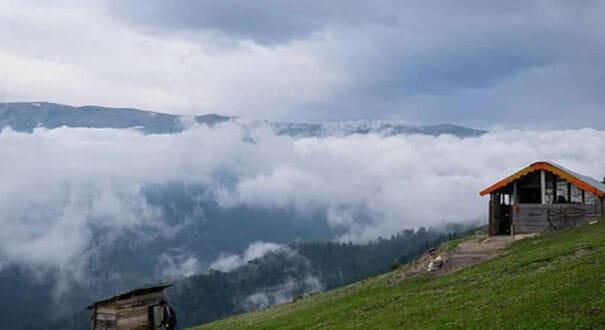
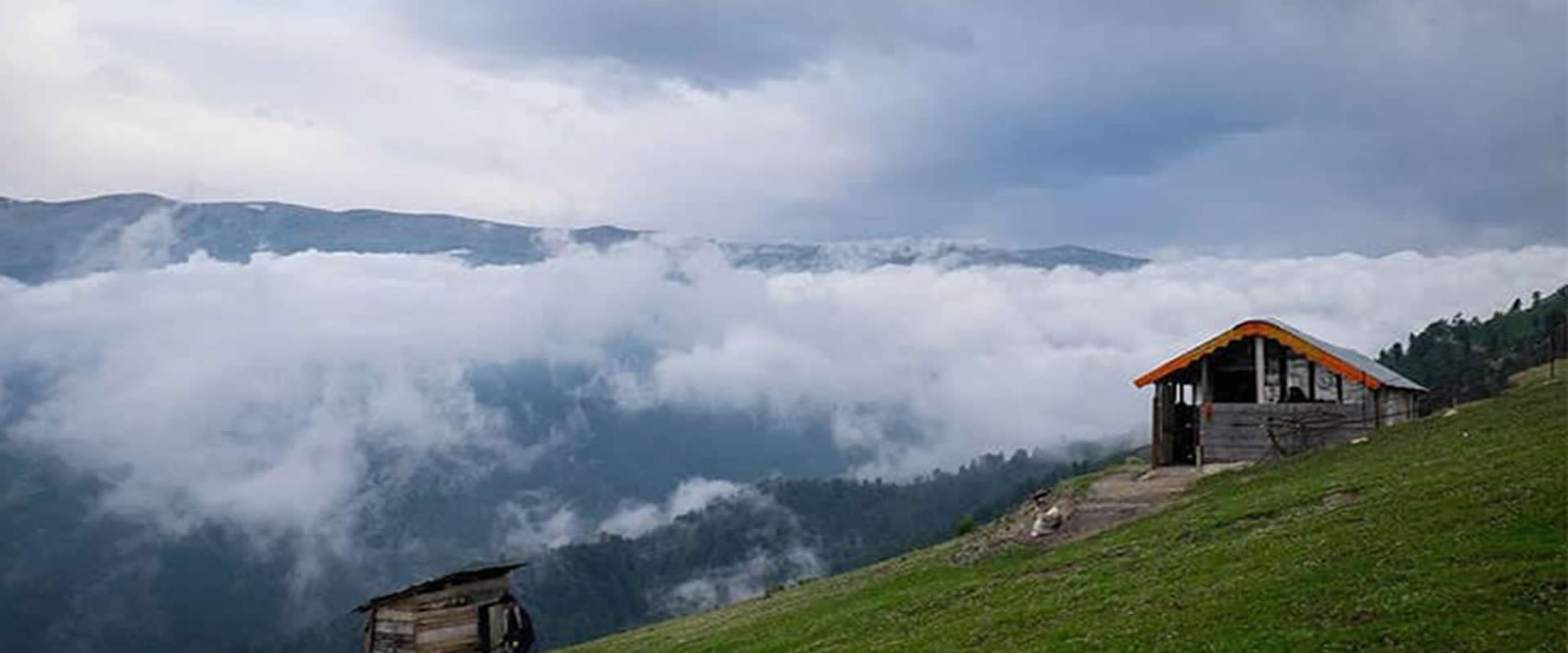
Masal is located in a high and misty area, especially the countryside, but on clear days you can see the whole city of Masal city under your feet. Such areas provide an excellent opportunity for hiking, camping, stargazing, recording unforgettable images, and relieving the fatigue of living in crowded and polluted cities.
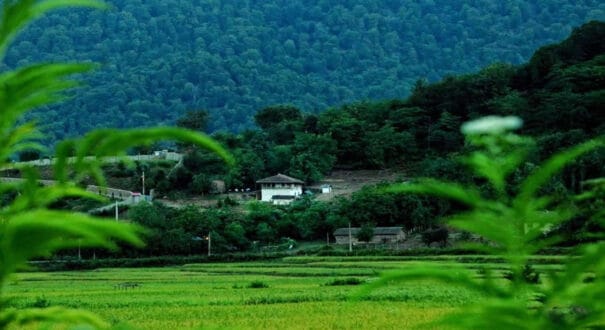
The countryside is home to a small, close-knit community of farmers and villagers who have lived off the land for generations and visitors have the opportunity to immerse themselves in the local culture, learn about ancient farming practices, and taste fresh produce straight from the fields.
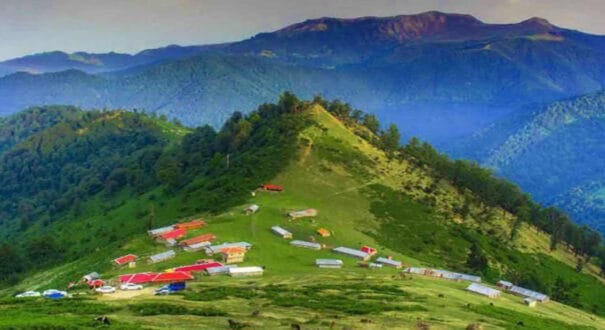
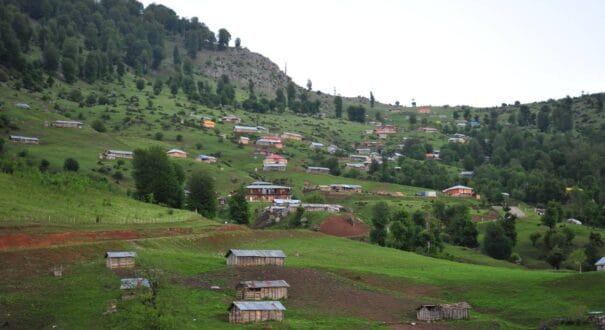
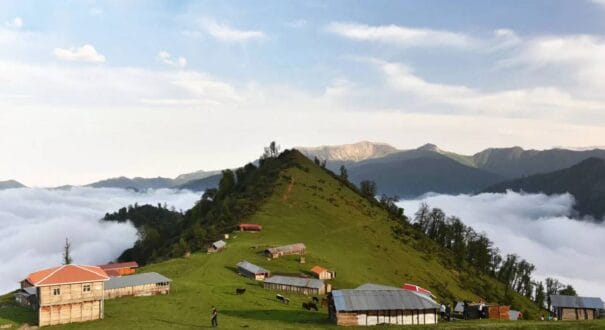
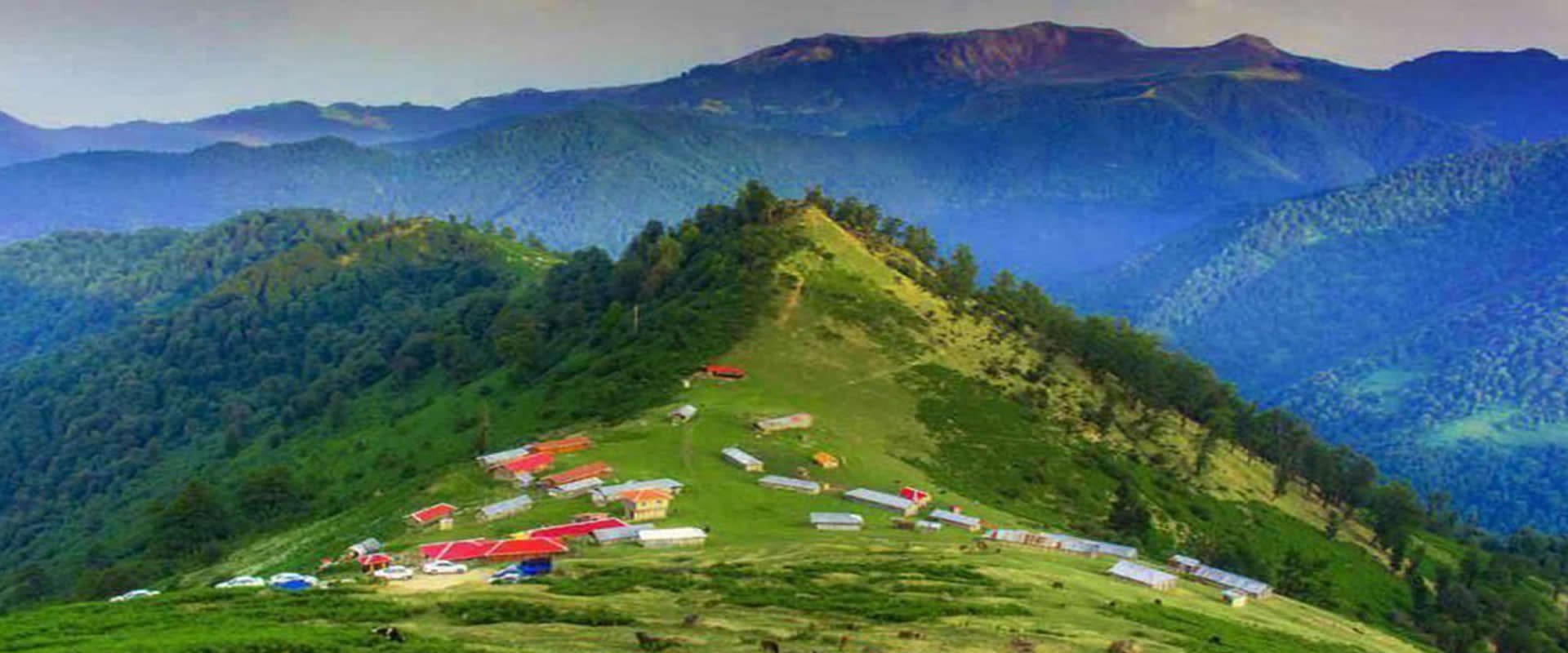
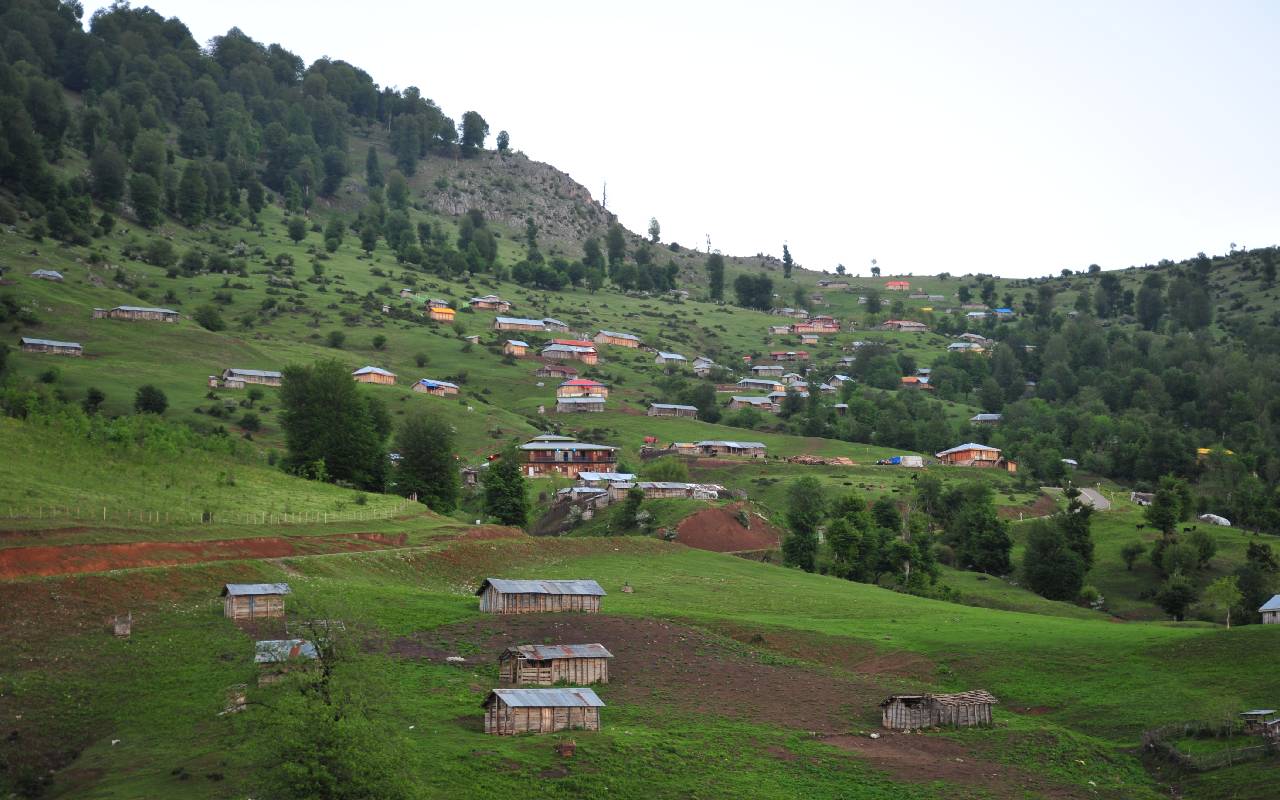
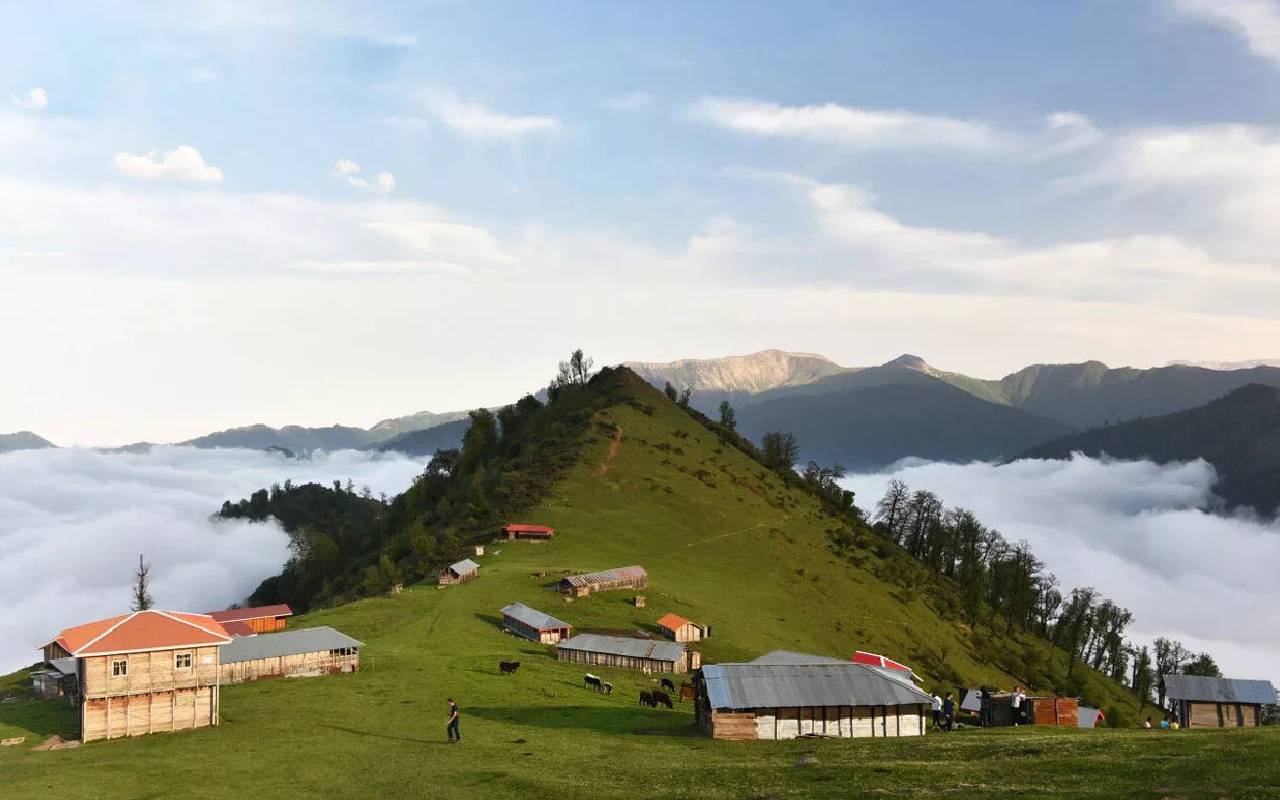
One of the most popular ones is Olsbelengah, the height of this countryside is at an altitude of 1490 meters and the houses in these parts are made of wood due to environmental reasons, that's why the cottages have picturesque and colorful roofs. its name is derived from the words Olas and Belangah and refers to the place where the hornbeam tree grows. Hornbeam trees are about 15 to 25 meters long and grow at an altitude of more than 600 meters next to beech and oak trees. Don’t forget to try the local handmade dairy while visiting.
The second famous countryside is Sochale or Sue Chale, where you will see many colorful two-story houses that not only attract the eyes of every viewer but also create a unique sunset view. Suchale in the local Gilaki language refers to a place where angelica and dagger grow. The attractions around this villa are spectacular, including the Khalkai River, Masal caves, and Masal waterfalls.
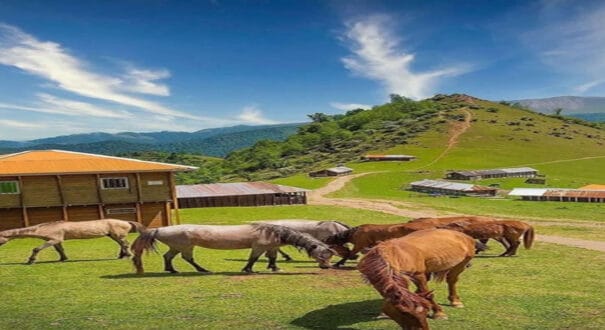
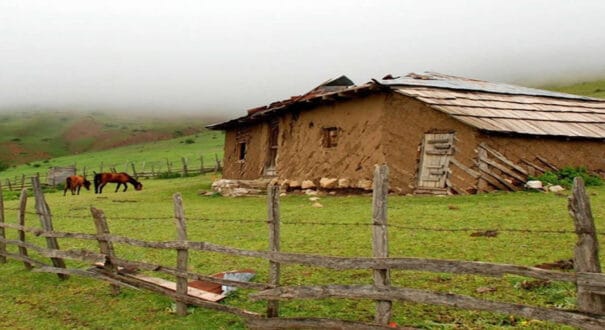
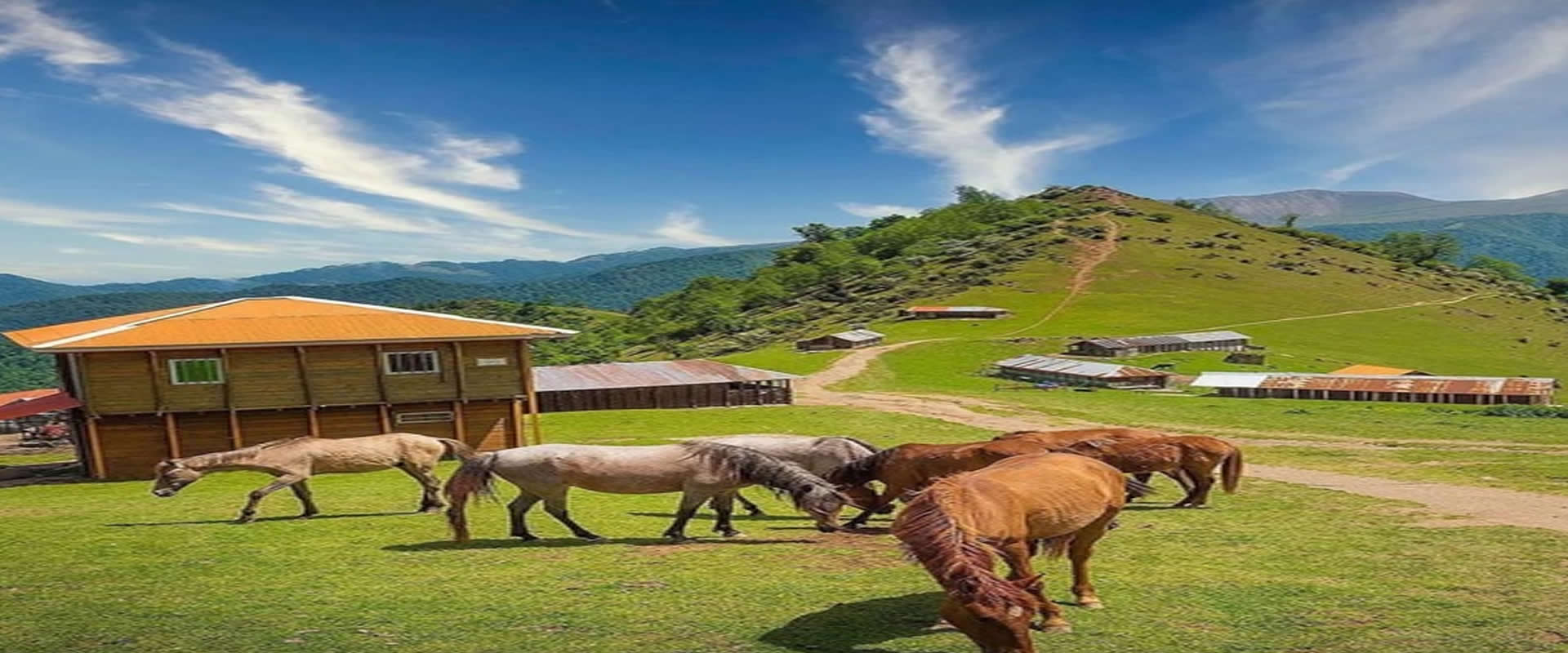
Yilaq Espy Dasht is known for the plains where beautiful and pure wild horses run. In fact, one of the main reasons tourists visit Yilaq Espi Dasht is the presence of these horses, which create a unique sight by parading in the wild. Another reason that makes this location special is the cloud ocean phenomenon when many clouds are compactly placed together in the mountains, valleys, and plains.
Local life
The people of Masal city are known for their strong sense of community and hospitality towards guests. They take great pride in their traditions and customs, which have been passed down through generations.
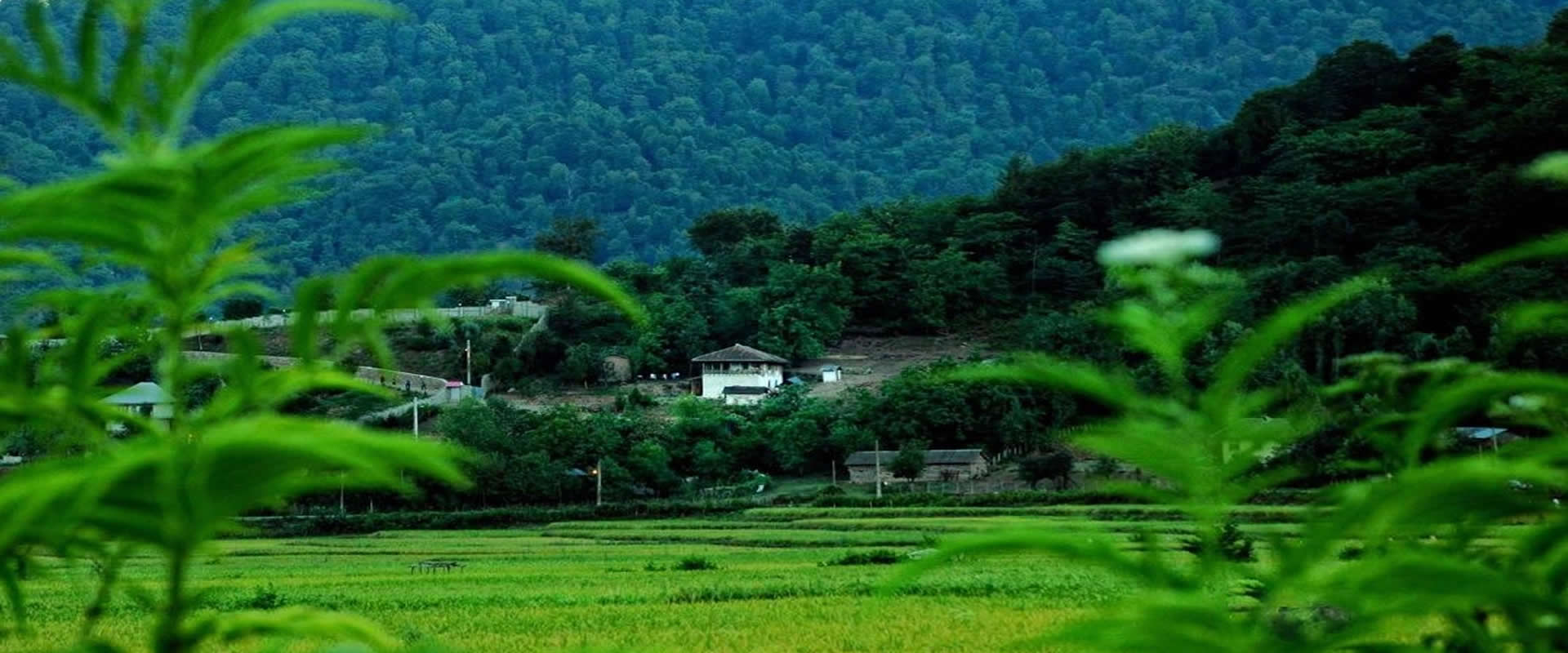
Agriculture in Masal primarily consists of growing crops such as rice, tea, and fruits like cherries and apples. These crops are not only important for local consumption but also for trade and export, providing a source of income for many families in the region.
Animal husbandry is another key aspect of Masal's economy, with livestock farming being a common practice among the residents. Sheep, goats, and cows are commonly raised in the region for their meat, milk, and wool.
The role of agriculture and animal husbandry in Masal city goes beyond just economic benefits. These practices also play a crucial role in preserving the region's environment and ecosystem. Sustainable farming methods are employed to ensure that the land is not overexploited and that natural resources are conserved for future generations.
Traditional food and clothing
One of the most distinctive aspects of Masal cityculture is their traditional clothing, which is often brightly colored and intricately embroidered. Men typically wear loose trousers and tunics, while women wear long dresses and headscarves. These outfits are worn not only for special occasions but also in everyday life.
Another important aspect of Masal city culture is their cuisine, which is known for its use of fresh, local ingredients and bold flavors. The main foods in the region include Kal Kebab, Shami, Kebab, and traditional flavored breads Torsh. Dishes are often prepared using traditional methods, such as slow-cooking over an open fire or in clay pots.
Local dialect and traditions
The Masal city language, also known as Talysh, is spoken primarily by the Talysh people who inhabit the area. This language which is considered a Northwestern Iranian language, has its own distinct grammar, vocabulary, and pronunciation, and is not widely spoken outside of the region.
Despite being a minority language in Iran, efforts are being made to preserve and promote the language, with schools and cultural organizations playing a crucial role in its revitalization. Here are some examples and phrases in the Talysh language: “Dadaro Bidar” means a lot, “Ave Morda Adami Pekari” means disappointing someone, and “Chemi Dabe” means gratitude.
One of the most popular festivals in Masal city is the Masal Music Festival, which showcases traditional Persian music and dance. Musicians and dancers from all over Iran come to Masal to participate in this festival, showcasing their talents and skills. The festival is a celebration of the town's artistic heritage.
Another important festival in Masal is the Masal Dance Festival, which features traditional Persian dance performances. Dancers from different regions come together to showcase their unique dance styles and techniques, creating a beautiful spectacle.
Masal also hosts a variety of artistic activities throughout the year. Local artists and craftsmen showcase their work in art galleries and workshops, showcasing the town's rich artistic heritage. Visitors can purchase unique handmade crafts, paintings, and other works of art.
Handicrafts and souvenirs
Masal city is famous for its traditional handicrafts and souvenirs, which reflect the town's rich history and cultural traditions.
One of the most popular handicrafts from Masal is the intricate woodcarvings produced by skilled craftsmen in the region. These woodcarvings often depict geometric patterns, floral motifs, and scenes from Persian mythology. The craftsmanship and attention to detail in these pieces make them highly sought after by collectors and tourists.
Masal city is also known for its beautiful handwoven rugs and carpets. The town's weavers use traditional techniques passed down through generations to create stunning pieces that feature unique designs and vibrant colors.
Other popular souvenirs from Masal city are pottery and ceramics. The town's artisans create unique pieces that range from delicate plates and bowls to intricate vases and tiles.
Masal is also famous for its handmade jewelry crafted using different materials such as silver, turquoise, and coral. These pieces often feature intricate filigree work and are a popular choice among visitors looking for a one-of-a-kind souvenir to take home.
Another one of the most popular items to purchase in Masal city is local high-quality products such as tea, honey, and dairy products including cheese and yogurt.
Final recommendations
Transportation
The most popular way to reach Masal is by road. The city is well-connected to major cities in Iran, such as Rasht and Tehran, via a network of highways and scenic roads that wind through the mountains and offer stunning views of the surrounding countryside. For those who prefer to travel by public transportation, buses are available from Rasht to Masal.
Another option for reaching Masal city is by air. The nearest airport to Masal is Rasht Airport, which is located approximately 50 kilometers away. From the airport, visitors can hire a taxi or rent a car to reach Masal. The journey by car takes around 1-2 hours, depending on traffic conditions.
Once in Masal, getting around the city is best done on foot or by taxi. The city is relatively small, and many of the attractions are within walking distance of each other. Taxis are readily available and are a convenient mode of transportation for those who prefer not to walk. Additionally, renting a car is also an option for visitors who wish to explore the surrounding areas independently.
Hotels and residences
In terms of residences and accommodations, Masal offers a variety of options to suit every traveler's needs.
One of the most popular accommodation choices in Masal is staying in traditional guesthouses. These guesthouses are typically family-run, offering a unique opportunity to experience local hospitality and culture and often serve homemade meals.
Another popular choice is staying in wooden huts. There are a range of options available, from traditional thatch huts to modern wooden cottages, but they all have their simplicity and minimalistic design in common.
For those looking for a more upscale experience, Masal city also has several boutique hotels and resorts scattered throughout the town. These places offer modern amenities, such as Wi-Fi, air conditioning, and on-site restaurants, while maintaining a sense of charm and authenticity.
Last tips
It is also important to be mindful of cultural differences and act with sensitivity and courtesy towards the local people. Another important safety recommendation for tourists in Masal is to be mindful of their surroundings and exercise caution when exploring the area. Additionally, it is advisable to avoid walking alone at night and to stick to well-lit and populated areas.